

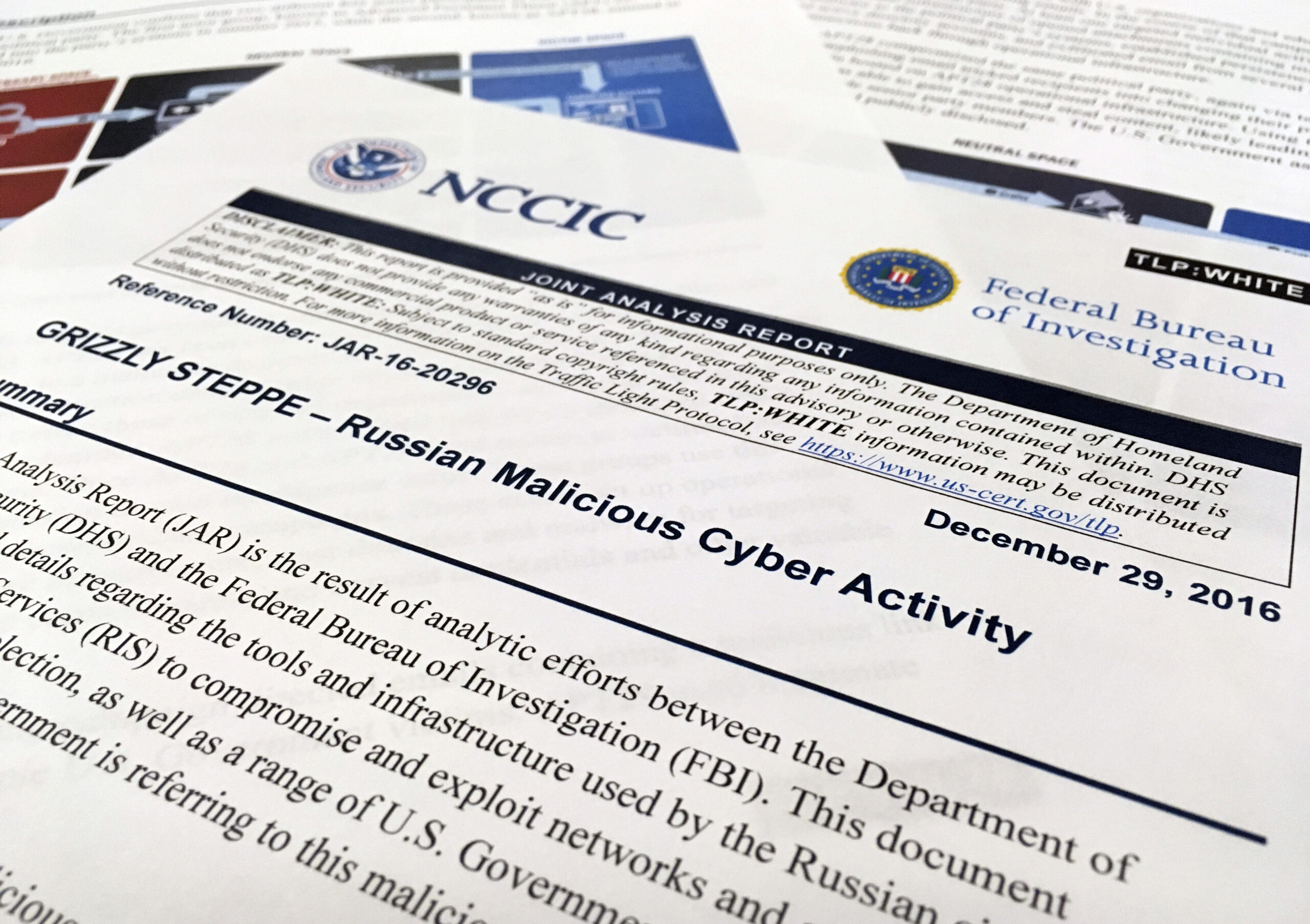
The House of Representatives will take up a series of bills next week aimed at beefing up the Department of Homeland Security, including by improving the U.S. response to cyberattacks, preventing terror attacks that use nuclear weapons, and improving airport security.
The bills are expected to sail through the House, and are being brought up under rules that allow for a faster debate, and require a two-thirds majority for passage.
Recommended Stories


One bill, the Insider Threat and Mitigation Act from Rep. Peter King, R-N.Y., would set up an insider threat division within DHS to reduce the risk that people inside the department might try to exploit the department’s “critical assets.”
Another, from Rep. Daniel Donovan, R-N.Y., would set up a secure cities program aimed at detecting and thwarting terrorist attacks against major U.S. cities. That bill calls for the development of “model exercises” to test the readiness of cities across the country to deal with terrorist threats.
A third from Rep. Jim Langevin, D-R.I., aimed to boost cooperative research efforts between the U.S. and Israel to better protect the U.S.
Rep. Donovan has another bill up next week, one he reintroduced from the last Congress: the Cyber Preparedness Act. That bill would enhance the “preparedness and response capabilities capabilities” for cyber attacks.
“Information sharing and adjustments to grant rules might sound mundane, but defending against cyber-attack requires attention to every detail,” Donovan said in a statement last June when he introduced the 2016 version of the bill.
Another bill from Rep. John Katko, R-N.Y. would create an advisory board at DHS to would “coordinate and integrate” department intelligence, activity and policy concerning counterterrorism.
Rep. Bill Keating, D-Mass., will get a vote next week on a bill he reintroduced that would improve airport security, specifically by enhancing perimeter security. The bill, which piggybacks off of his 2016 legislation that past the House in July, would enhance perimeter security by requiring updated risk assessments and the further development of security strategies.
“Airports remain a steady target for terrorists and other violent persons, and the perimeters of our airports continue to be at-risk of exploitation,” Keating said. “I have been working to increase perimeter security for the past six years … We need a set of policies that are uniform, comprehensive, and fluid enough to adapt to each airport’s uniqueness.”
“My bipartisan legislation will close loopholes in airport security practices and ensure that each access control point and perimeter is as secure as possible,” he added.
