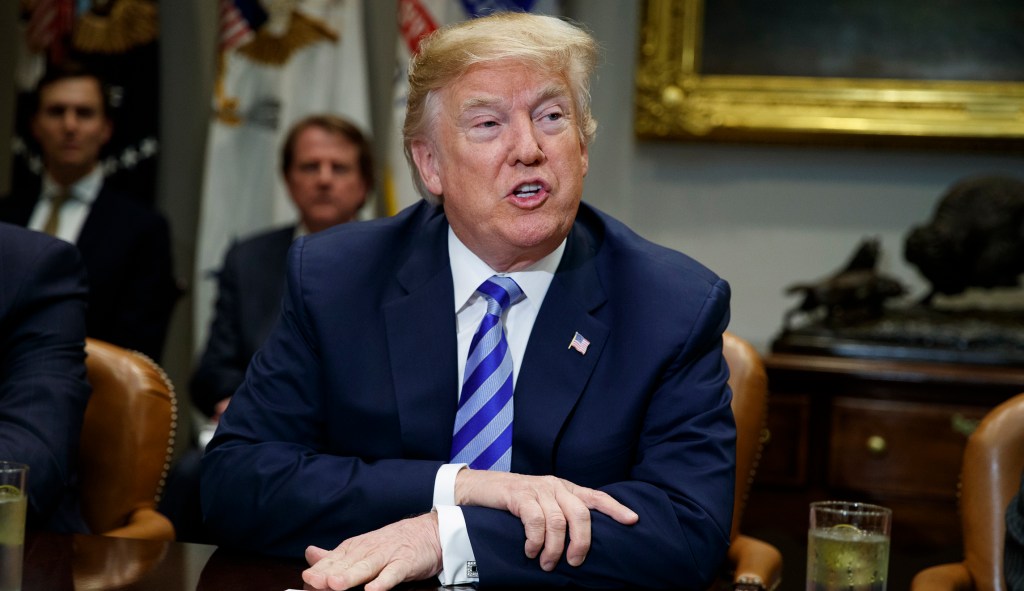
It attracts clicks from outraged conservatives and head-nodding liberals, but it’s silly to claim that President Trump has sparked a constitutional crisis with his latest tweets claiming that investigators focused on his presidential campaign have engaged in misconduct.
Yet, on Monday, Washington Post columnist Eugene Robinson declared that we must “stop waiting for the constitutional crisis that President Trump is sure to provoke. It’s here.”
Robinson argues that Trump’s recent actions are neither “normal or acceptable. One of the bedrock principles of our system of government is that no one is above the law, not even the president. But a gutless Congress has refused, so far, to protect this sacred inheritance.” Robinson concludes that “Trump is determined to use the Justice Department and the FBI to punish those he sees as political enemies. This is a crisis, and it will get worse.”
Wrong.
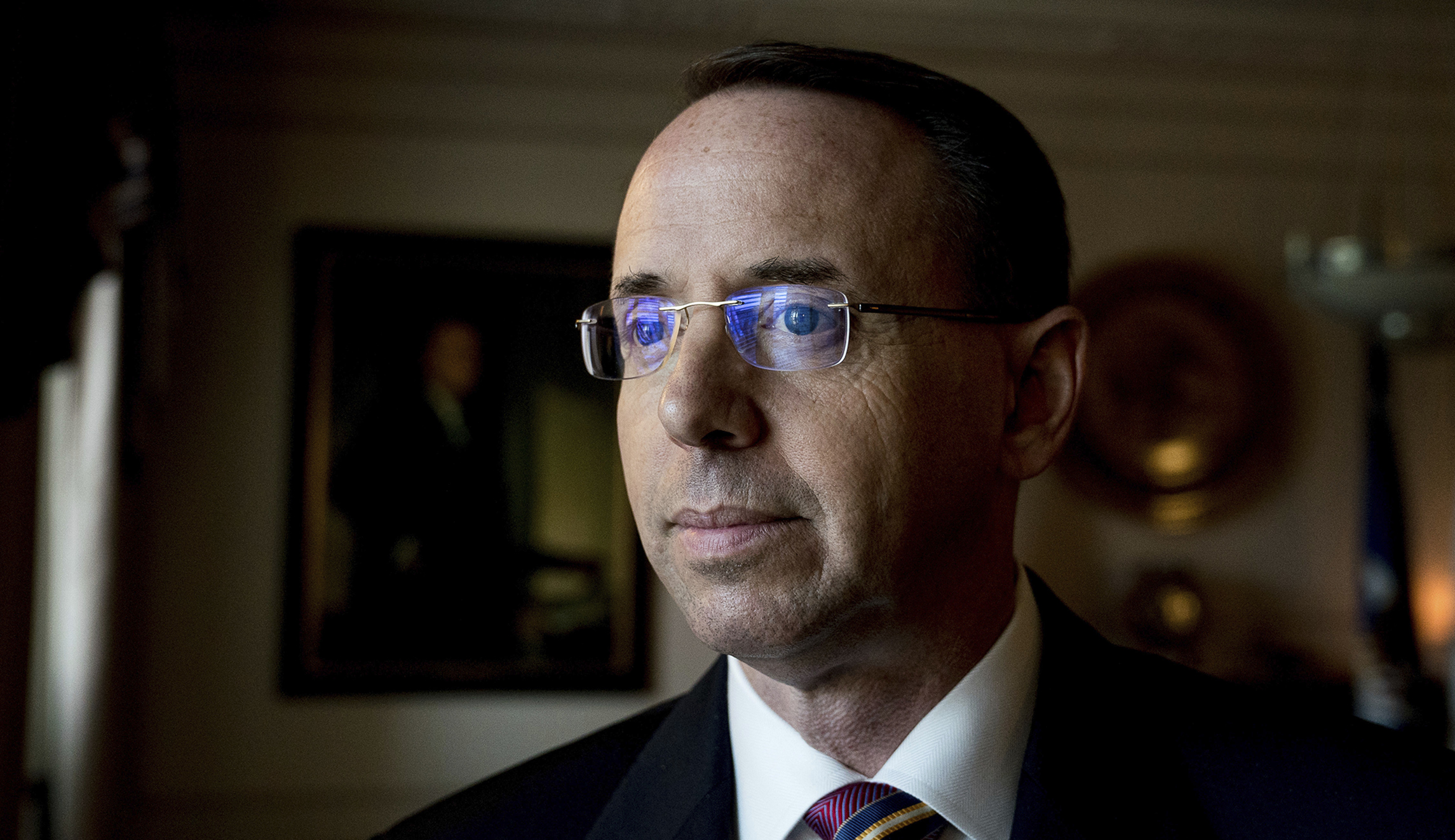
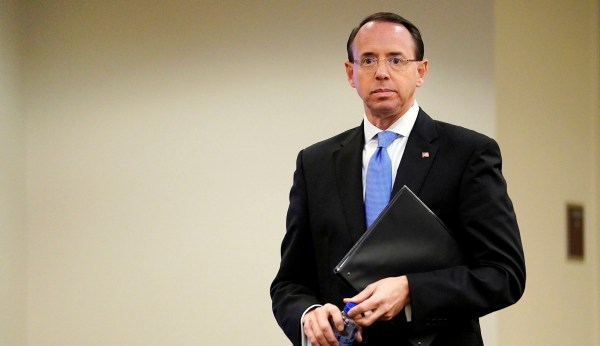
For one, note Sunday’s decision by Deputy Attorney General Rod Rosenstein to order an inspector general investigation into whether the Justice Department engaged in improper surveillance of the Trump campaign. Unlike Robinson, I don’t see Trump’s pressure as the defining factor here. After all, if Rosenstein believed an inspector general investigation was unjustified, he would have been obliged not to order it. So, unless we believe that Rosenstein is a Trump hack (which very few do), Rosenstein should be given the benefit of the doubt in giving Trump’s concerns about the Justice Department’s scrutiny.
But let’s keep this in proportion: All that has happened in response to Trump’s calls for purges and prosecutions is an inspector general’s investigation. In that flowing vein, what happens next will also be determined on the basis of an appraisal of collected evidence and established facts. That’s how it should be. If there is no case to answer, Trump’s complaints will wash into the Twitter ether.
And that speaks to the ultimate point here: Trump’s tweets are all he really has in terms of power here.
The Constitution was created to prevent one individual from being able to usurp the laws in his or her personal interest. And the Constitution sustains. Trump might believe that he can use his office and his Twitter feed to overcome the Constitution, but he cannot. The institutions are built to be too strong to fall, and as long as the officers of those institutions and the plurality of the people’s representatives in Congress stand in their defense, they will sustain in perpetuity.
Still, too many Trump opponents now seem to think that it is their confidence in the judiciary which is all that matters here. Consider, for example, the warning from former Director of National Intelligence Jim Clapper that “We are eroding the reality and the appearance of the independence of the judiciary and the Department of Justice and the special counsel, that just can’t lead to a good place.”
What Clapper ignores is that many Americans who support Trump already believe that the “independence of the judiciary” is subordinated to special interests. And even if Trump should not be fostering those beliefs and even if those beliefs are wrong, those beliefs matter just as much as Clapper’s. Ultimately, the institutions of government must work to retain the respect of the citizenry as a whole, not just one subset of that citizenry.
Prudent to the exigent concerns of national security, Rod Rosenstein is taking action to preserve the credibility of our institutions. Trump can’t change that, and neither can Eugene Robinson. And that’s how it should be.