

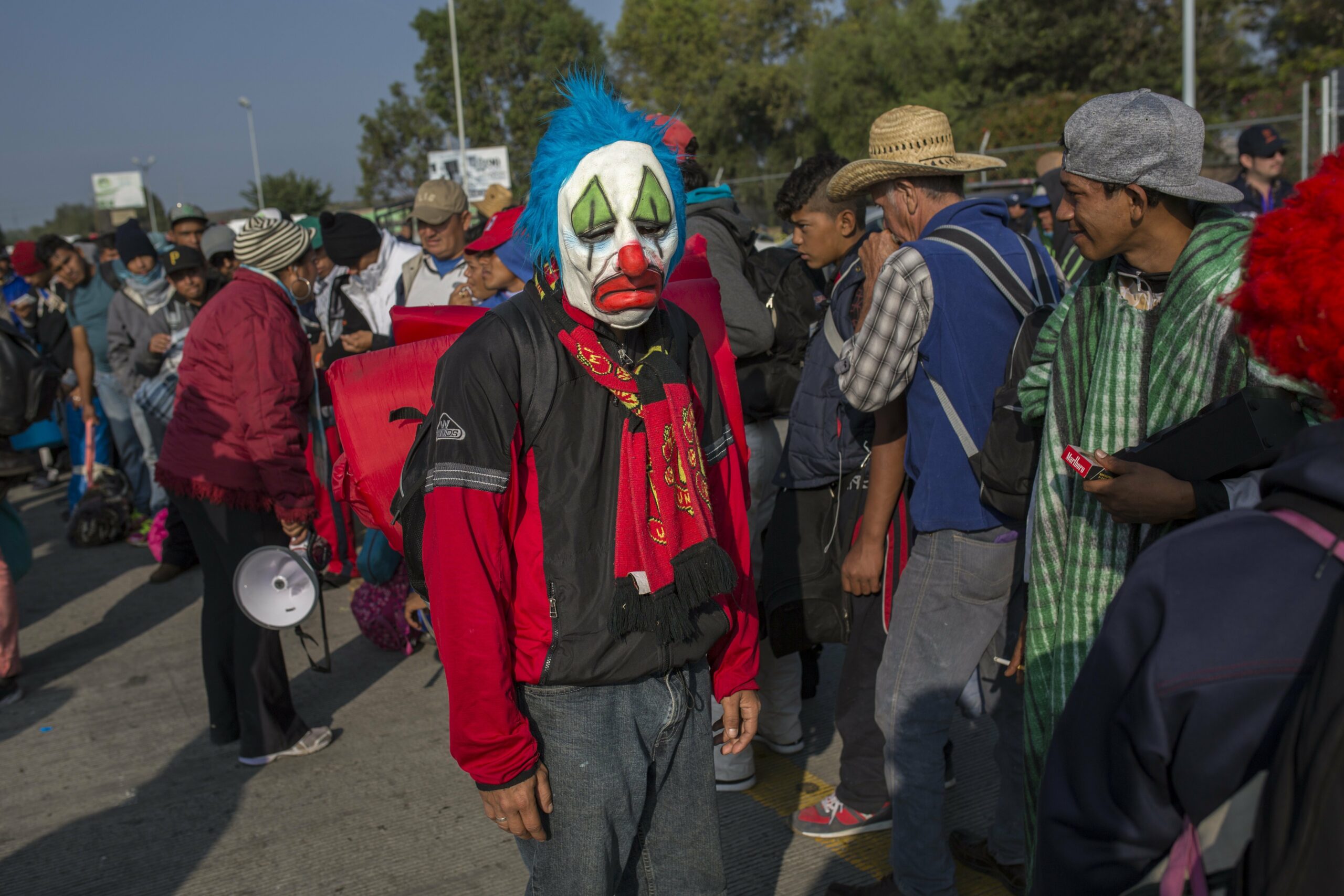
New legal and illegal immigrants to the United States are arriving with “post-migration stress,” according to several new public health studies just released.
Meanwhile others already in the United States have told researchers that President Trump’s election and focus on stopping illegal immigration have scared them away from going to authorities for welfare and mental health help.
Recommended Stories


Harvard’s “Journalist Resource” reviewed several new studies on immigrants presented at a public health conference this month, and most find that incoming immigrants and those already in the United States suffer from immigration-related mental health problems.
“We don’t always acknowledge the sacrifices that migrants take in leaving their homelands — how they risk so much in terms of safety and stability and opportunity,” Cindy Sangalang, an assistant professor of social work at California State University, told JR.
“Going on this journey can be at a cost to their mental health, and these things can potentially worsen as other stressors increase once they’re here in the United States,” she added.
[Also read: Pentagon says no timeline for bringing border troops home]
In Sangalang’s study, new immigrants suffered “post-migration trauma and associated mental disorders and distress, including depressive disorders.” She added that Trump’s immigration policies are also exacerbating mental health disorders.
In another, Trump’s election was prompting immigrants, presumably illegally here, from seeking help at taxpayer-funded facilities out of fear of being deported.
That University of Michigan study said public health facilities saw fewer immigrants and some of those who did enter sought help “about arranging for power of attorney and making plans for the care of their children in the event that they were deported.”
And a third from the San Mateo County, Calif. Health System found that illegal immigrants were losing their access to higher education, like those denied entry into the Obama-era deferred action for childhood arrivals, or DACA, program.
In summing up that study, Journalism Resources wrote, “Those who participated in the focus groups reported signs of depression and anxiety among children in their community. In particular, they said that older children who previously would have qualified for DACA shared feelings of hopelessness and low self-esteem. Some children are so upset they /refuse to continue their studies.’”
