
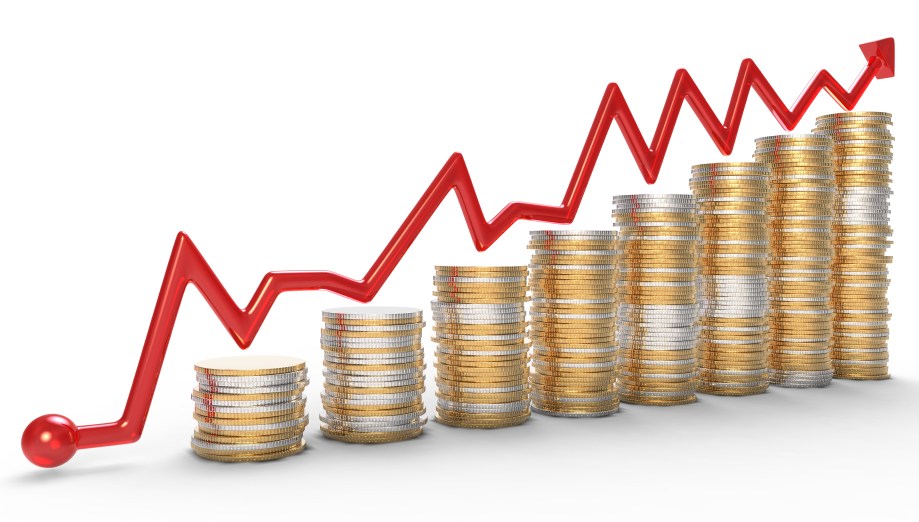
The Labor Department praised states that have raised their minimum wage above the federal floor of $7.25 an hour, hailing the success of union-led efforts to increase the wages through legislatures and ballot initiatives, while criticizing Congress for not doing the same.
“Altogether, 29 states and Washington, D.C. will have minimum wage rates above the federal minimum wage of $7.25 per hour as of Jan. 1, 2015. That’s real progress,” wrote spokesman Jason Surbey on the Labor Department’s official blog. He added that President Obama called on Congress to raise the federal level to $10.10 two years ago but it “hasn’t acted.”
Recommended Stories
Surbey included a GIF of the states that were increasing the wage and encouraged readers to “show others how the momentum to #RaiseTheWage has swept from coast to coast.”
Voters in five states — Alaska, Arkansas, Illinois, Nebraska and South Dakota — approved raising their minimum higher than the federal floor through ballot measures in 2014, while lawmakers in Connecticut, Delaware, Hawaii, Maryland, Massachusetts, Michigan, Minnesota, Rhode Island, Vermont and West Virginia voted to raise theirs.
Activists directed their efforts at states because there was little momentum at the federal level. Democrat-sponsored legislation died in Congress in 2014. President Obama did make $10.10 an hour the minimum for federal contracting — a largely symbolic gesture since most contractors already paid above that level.
The state-level effort has been largely financed by organized labor. Unions have long favored higher minimum wages since they make otherwise cheaper non-union labor more expensive and therefore less economically competitive.
#RaiseTheWage is a Twitter hashtag used to promote the movement by labor groups including the Service Employees International Union, the American Federation of State, County and Municipal Employees and the service industry union UNITE HERE.
Some major cities, including Chicago, Los Angeles, San Jose, Calif., and San Francisco also have wages above the federal minimum, going as high as $15 an hour in the last case. However, they all include exceptions that allow unionized businesses to pay their workers less than the minimum wage if they have an agreement with the company’s labor group. The Chamber of Commerce, which opposes the wage increases, says the exceptions are there to entice businesses to agree to unionize since that would make having one a cheaper alternative than paying the workers the minimum.