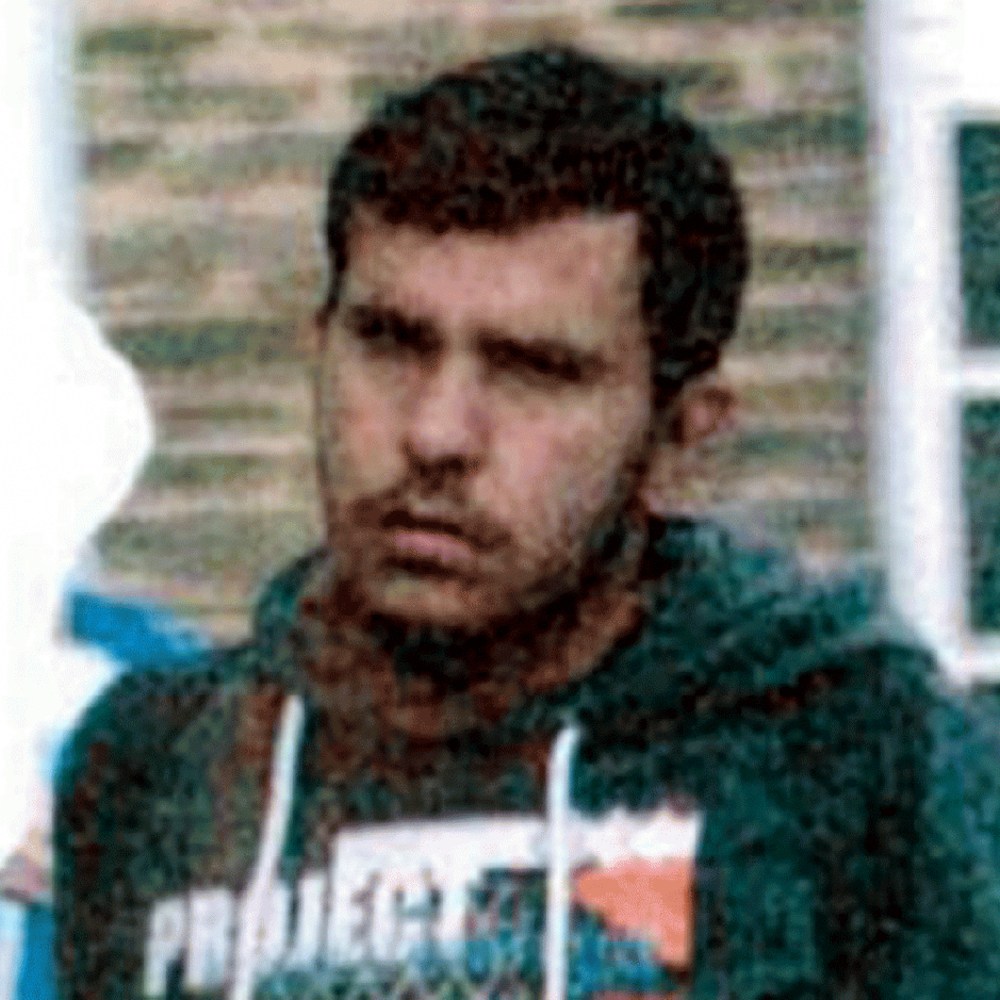
The saga of Jaber al-Bakr, the 22-year-old Syrian migrant and terror suspect who hanged himself in a Leipzig jail cell last week, is more or less over. But his story does illustrate the complexities, the dangers and dilemmas, of immigration policy here and in Europe. Bakr, who was from Damascus, had been granted asylum status when he entered Germany last year—one of hundreds of thousands of Middle East refugees welcomed by Chancellor Angela Merkel. He had settled in Chemnitz.
It’s not entirely clear why Bakr washed up in Chemnitz—it used to be called Karl-Marx-Stadt when it was part of East Germany—but his activities there almost immediately aroused the suspicion of local authorities. By the time they arrived at his apartment on October 8 to arrest him for suspected terrorist activities, however, he was nowhere to be found. The suspicions were fully justified, incidentally: Not only had Bakr been researching bombs on the Internet, but a large quantity of TATP, a homemade explosive used in last year’s bombings in Paris and Brussels, was found in his flat as well.