
After weeks of campaigning, Tuesday’s New York primary will play an important electoral role for the first time in decades.
Recommended Stories
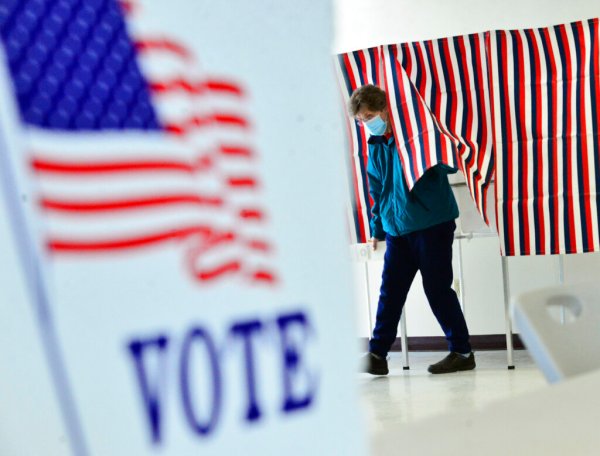

CBS Radio spoke with six young Democratic voters on Friday, three who supported Hillary Clinton and three who supported Bernie Sanders. On Monday they spoke with three GOP young voters who each supported a different candidate.
Despite their differences, the young New Yorkers were able to find common ground, reflecting state voter values and providing a primary preview preoccupied with economic issues.
“As New Yorkers, the economy was a hot-button issue for the supporters, who sparred over the Glass-Stegall Act, Dodd-Frank reforms and raising the minimum wage,” CBS New York noted about the young Democrats.
Likewise, the young Republicans focused on the economy instead of gay marriage or abortion, which they felt could alienate voters. “Millennials have more liberal views on social aspects, but you vote on bigger, broader issues,” one noted.
While Sanders may have support from independents, New York does not allow independents to vote in its closed primaries. “It would totally change the outcome of the election if people could vote how they want to,” as one Sanders’ supporter mentioned.
The rules also negatively impact those who wish to vote Republican, including Eric and Ivanka Trump, who will not be able to vote for their father, as they did not register as Republicans by the deadline.
Whether Democrat or Republican, young voters expressed excitement in the opportunities made available through social media, especially Sanders supporters who believe his presence online helps him when he may not receive as much media coverage.
There were also concerns over nasty comments people make online. A young Republican was called a “bigot” online for previously supporting Mitt Romney. Another noted how young people might focus on learning about the election through social media rather than news outlets.
That young voters may not receive their election coverage information from the most reputable means is one of many issues affecting millennial voting patterns. While the generation is now the largest voting bloc, voter turnout is low for those 18-29 years old, much like their parents and grandparents when they were younger.
“There are signs they could still buck this trend,” CBS New York noted about young Republicans and Democrats. “Now it’s just a matter of exercising that power” when it comes to affecting the election in New York and elsewhere.