President Obama has shown an appalling lack of courage in the debate over entitlement reform. He has admitted in public that Medicare, America’s old-age health insurance program, is unsustainable as it currently exists. Yet he has failed to set forward any reform proposal in the four budgets he has issued as president, knowing that reforms could be politically painful. Obama has also exploited the issue politically to attack those brave enough to propose reforms. His treasury secretary, Tim Geithner, put it best in testimony before Rep. Paul Ryan’s, R-Wis., House Budget Committee: “[W]e’re not coming before you today to say, ‘We have a definitive solution to that long-term problem.’ What we do know is, we don’t like yours.” But as Republicans heap well-deserved scorn upon Obama, they should also bow their heads in shame. They, too, are to blame for saddling future taxpayers with unsustainable burdens, as this week’s report from Medicare’s trustees reminds everyone.
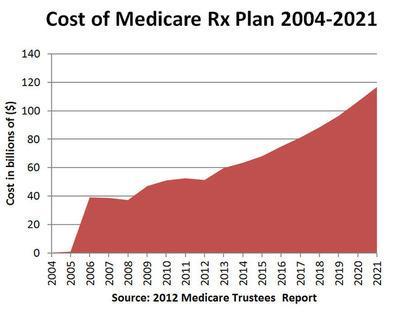
When Republicans last controlled both chambers of Congress and the presidency, during the Bush administration, they created the Medicare prescription drug plan, known as Medicare Part D. At the time it passed in 2003, Part D was the largest new entitlement since Lyndon Johnson’s Great Society. Since it went into effect in 2006, its price has steadily climbed, and it is expected to cost $117 billion in 2021. Because Part D was created without any concern for sufficient sources of funding, it adds $14.3 trillion to the government’s long-term entitlement deficits. By 2040, the program will cost more than 1 percent of the nation’s gross domestic product.