Federal lands, public dilemma

Imagine owning a house, and the town mayor controls two rooms simply because he is the mayor and believes he can put them to better use than you can. Not a very pleasant thought, right?

This situation is not so different from the ongoing battle between states and the federal government over federally-controlled public lands. As Utah State Rep. Ken Ivory, president of the American Lands Council and senior policy fellow at State Budget Solutions, explains: “For decades now, Washington has been progressively commandeering from local control, matters of land access, land use and land ownership, particularly, though not exclusively, throughout the western states. States, counties, municipalities, businesses and individuals have been reeling to defend against the metastasizing maze of federal policies, regulations and edicts.”

The federal government now controls over 50 percent of public lands, primarily in the western United States, and only 5 percent east of the United States. This poses a rather unsettling question about Washington’s unwarranted breach of states’ rights.

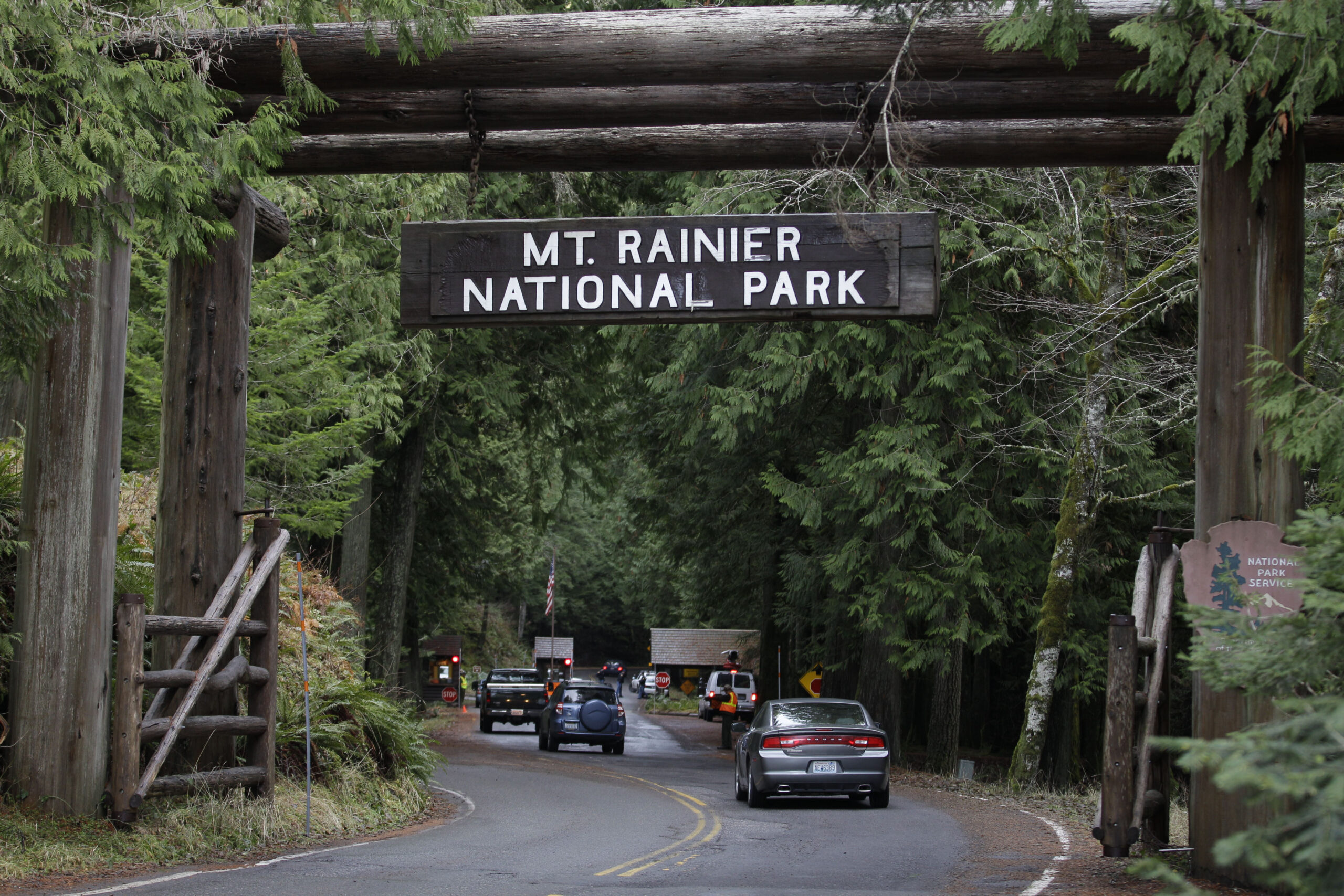
There are four federal land management agencies that control large swathes of land in the west: the Bureau of Land Management (248 million acres of land), the National Park Service (80 million acres), the Forest Service (193 million acres), and the Fish and Wildlife Service (89 million acres).

While these agencies all control large amounts of land, what makes it more shocking is that these holdings are composed of lands from only 11 western states. Many of these states lack the necessary funds to cover expenses for education and other public services. However, vast deposits of natural resources lie within these states on federally-controlled lands that remain heavily restricted.

In attempting to manage these valuable resources, the federal government actually loses money. According to the Montana-based Property and Environment Research Center (PERC), a nonprofit focused on solutions to environmental problems, “The federal government loses money managing valuable natural resources on federal lands while states generate significant financial returns from state trust lands.”

On average, the federal government gains approximately 73 cents for every dollar spent managing these lands. Overall, mismanagement of federally-owned lands costs American taxpayers nearly $2 billion a year.

State Trust Lands, by contrast, were given by the federal government to states in order to generate revenue when they first gained statehood. Revenues come from many sources, such as timber harvesting, grazing, mineral extraction, commercial development and conservation. In Montana, Idaho, New Mexico and Arizona, State Trust Lands generate around $14.51 for every dollar spent on land management.

Continued federal control of state land undermines the principle of federalism. Many western state economies are crippled by federal restrictions on access to their own natural resources. Americans nationwide are then heavily taxed in order to subsidize western states and alleviate their current economic hardship. This would be avoided, if only states had full ownership and control over their own lands.

It is time to free the lands from the many federal programs and regulations that currently render them useless. Liberty would again flourish in the West, and the entire nation would benefit.

Karim Elsayed is a policy fellow at Federalism In Action. Thinking of submitting an op-ed to the Washington Examiner? Be sure to read our guidelines on submissions.

Related Content
