Examiner Local Editorial: Indictments shouldn’t stop with Harry Thomas

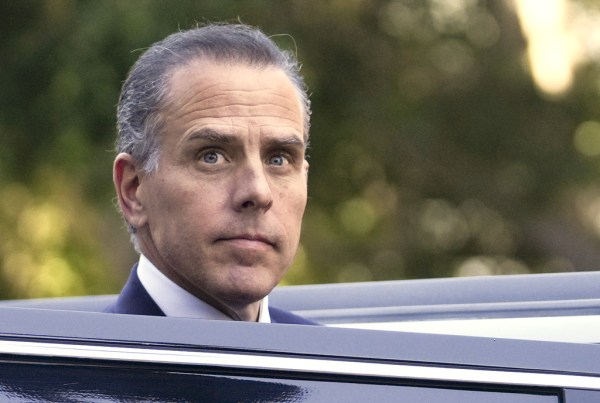
Harry Thomas, Jr. not only disgraced himself and the District Council on which he and his late father both served when he pleaded guilty to federal embezzlement and tax evasion charges last week. He also exposed the long-entrenched, look-the-other-way culture that pervades District of Columbia government and enabled this scion of a prominent local political family to steal $325,000 meant for disadvantaged children and spend it on personal luxuries, including a golf trip to Pebble Beach and a $50,000 SUV. Given his background, Thomas’ cynical use of poor children to rip off taxpayers is doubly despicable. This sordid tale has few heroes. One is Tim Day, an accountant and former Ward 5 Republican council candidate, who was the first to call for an investigation of Team Thomas/Swing Away LLC, because the non-profit youth baseball program was not registered with either the D.C. government or the Internal Revenue Service. We now know that Day was right when he charged that Team Thomas was nothing but a slush fund.
Former D.C. Attorney General Peter Nickles launched an investigation, but the end result was settlement of a civil lawsuit that only required Thomas to repay $300,000 without admitting any wrongdoing, as though his theft was a mere administrative oversight rather than a crime. U.S. Attorney Ron Machen finally stepped up to the plate. He investigated, prosecuted, and demanded — as part of a plea agreement — that Thomas resign from his council seat after pleading guilty to two felonies.

Council member Tommy Wells, D-Ward 6, deserves particular criticism for not demanding a formal audit of the D.C. Children and Youth Investment Trust Corporation, which enabled Thomas by funneling tax dollars to businesses he ran. So does Millicent West, then head of the public/private partnership when Thomas started pilfering funds back in 2007, and Mayor Vincent Gray, who promised to clean up corruption during his mayoral campaign, but couldn’t even bring himself to condemn his former political ally.

Although three of Thomas’ fellow council members called upon him to resign, none objected in principle to the civil settlement, which would have let Thomas off the hook were it not for Machen’s actions. They made their own complicity in the scandal worse by passing watered-down “ethics reform” legislation that fools no one — and all but guarantees more of the same corruption in the future. And by tolerating such corruption in their midst, D.C. officials make the case against the very congressional representation they claim to champion.

Related Content