Washington Examiner
Sign in Subscribe
News
Politics
White House
Senate
House
Campaigns
Business
World
Investigations
Justice
Supreme Court
Crime
Entertainment
Washington Secrets
Policy
Defense
National Security
Energy and Environment
Education
Immigration
Finance and Economy
Healthcare
Foreign Policy
Tech
Infrastructure
Space
2026 Election
America at 250
IN FOCUS
Commentary
Columnists
Editorials
Think Tanks
Beltway Confidential
Op-Eds
Restoring America
Patriotism and Unity
Faith, Freedom, and Self-Reliance
Courage, Strength, and Optimism
Equality, Not Elitism
Community and Family
Fairness and Justice
Mission
Watch
Magazine
Magazine
Quarterly Briefing
Archives
Games
Sponsored
Protecting Air Ambulance Services
Powering Progress
ASAE – Association Leadership
National Parks
Examining Tax Reform
Fix TSCA
Inside the Corn Belt
Examining Transportation
Newsletters
Sign In Sign InHome
News
Politics
Policy2026 Election
Opinion
EditorialsOp-Eds
In FocusRestoring AmericaMagazineWatch
Sponsored
Protecting Air Ambulance ServicesPowering ProgressASAE – Association LeadershipNational ParksExamining Tax ReformFix TSCAInside the Corn BeltExamining Transportation
TWS Archive
Advertisement
Home › Authors › Posts by Maria Cheng

Maria Cheng

Read the latest stories and analysis from Maria Cheng.

News

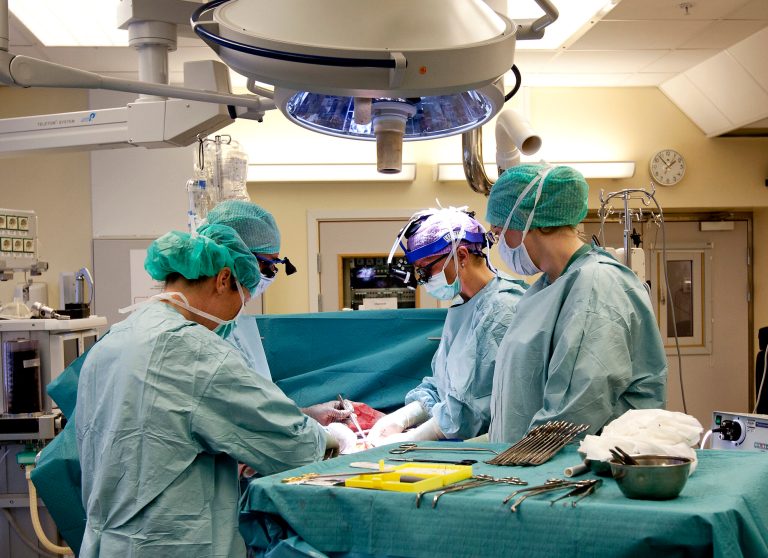
4 women with new wombs are trying to get pregnant

Maria Cheng · March 3, 2014 11:45 am
News

Full recovery for Schumacher unlikely, some say

Maria Cheng · February 28, 2014 3:05 pm
News

UK seeks public input on making 3-parent embryos

Maria Cheng · February 27, 2014 8:25 pm
FILE - In this Dec. 25, 2010 file photo, a festival official touches the lip of a young expensive Majahim, dark-skinned originally from Najd, Saudi Arabia, camel during the final day of Mazayin Dhafra Camel Festival in outskirt of Zayed City about 120 kms south west of Abu Dhabi, United Arab Emirates. Scientists say the mysterious MERS virus has been infecting camels in Saudi Arabia for at least two decades and that previous human cases have probably been missed. Since the Middle East respiratory syndrome coronavirus was first identified in 2012, doctors have struggled to explain how most patients have fallen sick. MERS can cause symptoms including fever, breathing problems and kidney failure. To date, it has killed more than 180 people, mostly in the Middle East though infections have also spread to Europe and northern Africa. (AP Photo/Kamran Jebreili, File) News

Study: MERS virus infecting camels since 1992

Maria Cheng · February 25, 2014 11:24 am
News

Greek financial crisis tied to worsening health

Maria Cheng · February 21, 2014 10:13 am
News

Test could predict which teen boys get depression

Maria Cheng · February 17, 2014 8:54 pm
Healthcare

Doctor diagnoses man with help from TV’s ‘House’

Maria Cheng · February 7, 2014 1:59 am
News

Vodka to blame for high death risk in Russian men

Maria Cheng · January 31, 2014 12:00 pm
News

New treatment could reduce kids’ peanut allergies

Maria Cheng · January 29, 2014 11:34 pm
In this Jan. 17, 2014 photo provided by McMaster University, graduate biology student Jennifer Klunk examines a bone sample at McMaster University's Ancient DNA Centre in Hamilton, Canada. Scientists say two of the deadliest pandemics in history were caused by strains of the same plague and warn new versions of the bacteria could spark future outbreaks. Researchers found tiny bits of DNA in the teeth of two German victims killed by the Justinian plague about 1,500 years ago. With those fragments, they reconstructed the genome of the oldest bacteria known. They concluded the Justinian plague was caused by a strain of Yersinia pestis, the same pathogen responsible for the Black Death that struck medieval Europe. The study was published online Tuesday, Jan. 28, 2014 in the journal, Lancet Infectious Diseases.(AP Photo/McMaster University) News

Scientists find ancient plague DNA in teeth

Maria Cheng · January 28, 2014 12:26 am
News

To stop MERS, longer quarantines may be necessary

Maria Cheng · May 29, 2013 3:50 pm
In this photo Thursday, April 25, 2013 Lucy Butler,15, getting ready to have her measles jab at All Saints School in Ingleby Barwick, Teesside, England, as a national vaccination catch-up campaign has been launched to curb a rise in measles cases in England. More than a decade ago, British parents refused to give measles shots to at least a million children because of a vaccine scare that raised the specter of autism. Now, health officials are scrambling to catch up and stop a growing epidemic of the contagious disease. (AP Photo/Owen Humphreys, PA) UNITED KINGDOM OUT - NO SALES - NO ARCHIVES

Measles surges in UK years after flawed research

Maria Cheng · May 20, 2013 4:00 am
Advertisement
  • ‹Previous page
  • 1
  • 2
  • 3
  • 4
  • 5
  • 6
  • ›Next page
Page 4 of 6
Advertisement
Washington Examiner Manage Preferences

News

  • Politics
    • White House
    • Senate
    • House
    • Campaigns
  • Business
  • World
  • Investigations
  • Justice
  • Supreme Court
  • Crime
  • Washington Secrets
  • Entertainment
  • Sports

Policy

  • Defense
  • National Security
  • Energy
  • Immigration
  • Finance and Economy
  • Healthcare
  • Foreign Policy
  • Tech
  • Infrastructure
  • Space

Commentary

  • Columnists
  • Editorials
  • Think Tanks
  • Beltway Confidential
  • Op-Eds

Restoring America

  • Patriotism & Unity
  • Faith, Freedom & Self-Reliance
  • Courage, Strength & Optimism
  • Equality, Not Elitism
  • Community & Family
  • Fairness & Justice
  • Mission

Watch

  • Shows
NEWSLETTERS MAGAZINE ARCHIVE
  • Policies and Standards
  • Terms Of Service
  • Subscription Terms of Use
  • Privacy Policy
  • Your Privacy Choices
  • Transparency In Coverage
  • Advertise
  • Subscribe
  • Contact
  • Careers
  • Staff
  • About Examiner
  • Facebook
  • Twitter
© Copyright 2026. Washington Examiner. All Rights Reserved.
Advertisement