

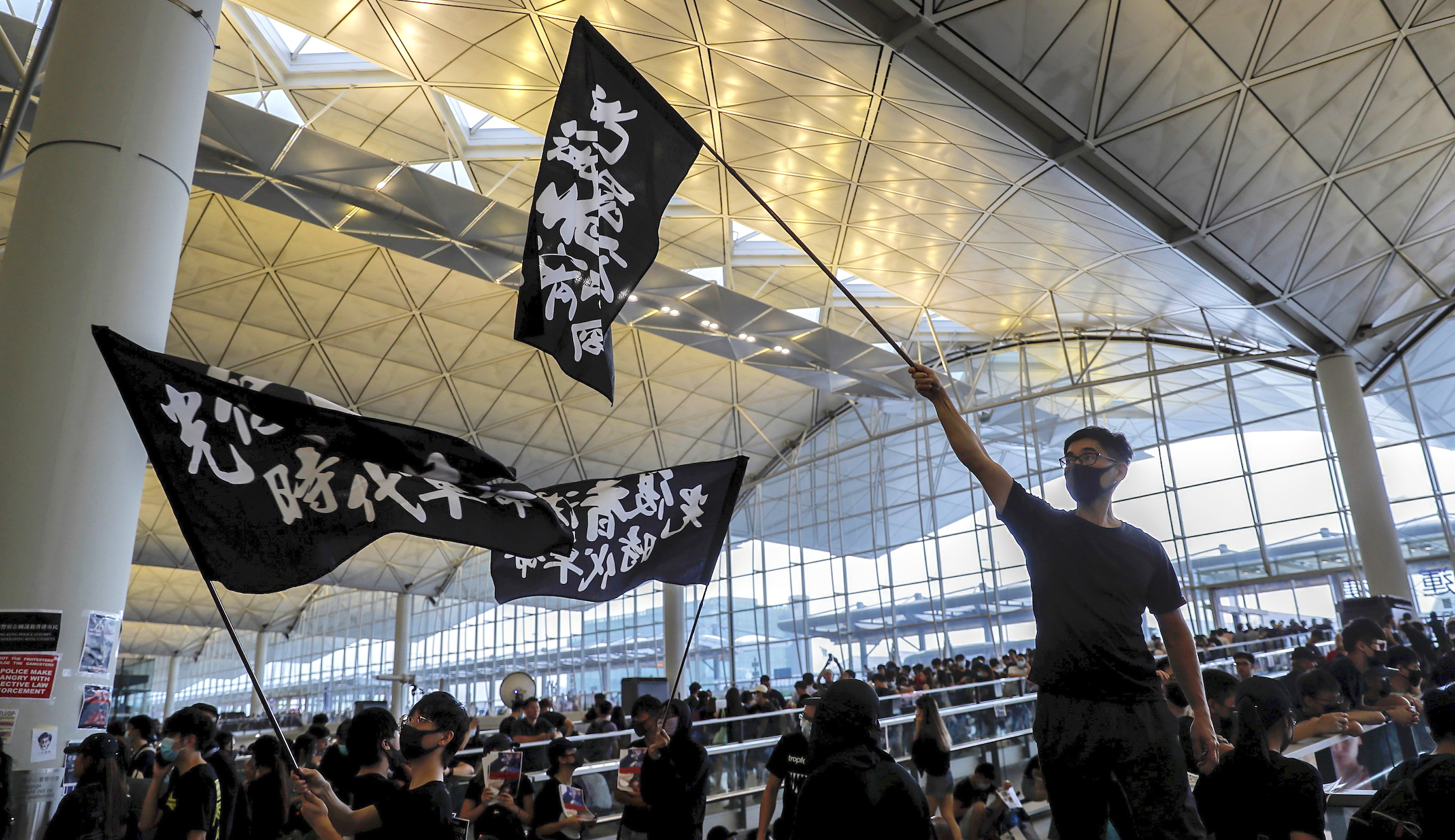
Chinese President Xi Jinping signed an order enacting wide-reaching security legislation passed by China’s legislature to affect Hong Kong.
On Tuesday morning local time, the National People’s Congress, dominated by the Chinese Communist Party, passed the security legislation after a year of pro-freedom protests in Hong Kong. The law is expected to go into effect later Tuesday night.
Recommended Stories


The law, approved just one day before marking the anniversary of the United Kingdom’s handover of Hong Kong to China, criminalizes acts of subversion, separatism, and collusion with foreign forces. It reportedly contains six articles and 66 clauses and was passed unanimously with 162 votes. The law doesn’t include the death penalty, according to Bloomberg,
Blueprints for the law were revealed on Saturday, and it would allow the Chinese Communist Party to override Hong Kong’s independent legal system and establish a national security office.
In reaction, U.K. Foreign Secretary Dominic Raab said the country is “deeply concerned by unconfirmed reports that Beijing has passed the national security law” and would provide additional statements “once we have seen the full legislation.”
Hong Kong Chief Executive Carrie Lam told the United Nations Human Rights Council in Geneva on Tuesday that the law wouldn’t be applied retrospectively, which was a major concern among democracy and freedom activists in the city, specifically among those facing charges. According to Lam, Hong Kong authorities would exercise jurisdiction over those violating the law except in “rare specified situations,” meaning those trials would be held in China.
U.S. Commerce Secretary Wilbur Ross, in expectation that the law would be enacted, said it further underscores why the United States no longer recognizes Hong Kong’s special, independent status.
“With the Chinese Communist Party’s imposition of new security measures on Hong Kong, the risk that sensitive U.S. technology will be diverted to the People’s Liberation Army or Ministry of State Security has increased, all while undermining the territory’s autonomy,” Ross said Monday. “Those are risks the U.S. refuses to accept and have resulted in the revocation of Hong Kong’s special status.
