

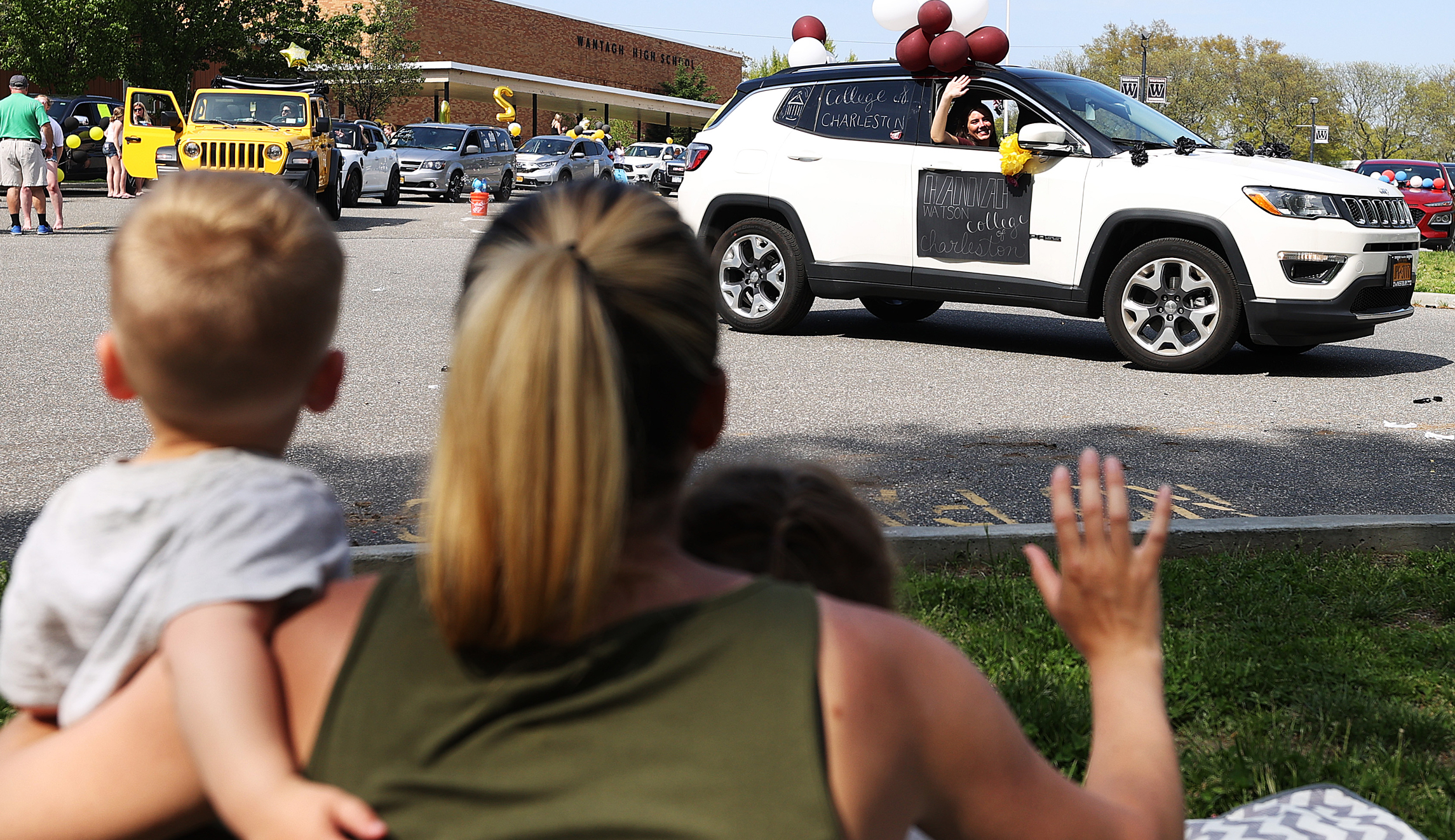
There’s been quite a bit of debate in recent days over the costs of the coronavirus shutdowns. But one potential upside to the pandemic is a greater appreciation for some of the things we missed during isolation: community, family, and faith.
There is, of course, the age-old proverb that “absence makes the heart grow fonder.” We now have scientific evidence to back that up. A study conducted by Zoe Donaldson, an assistant professor of psychology and neuroscience at the University of Colorado, Boulder, found that we are biologically driven to want to be with our partners, friends, and loved ones. And that biological drive grows within our brains the longer we’re without them.
Recommended Stories



Human beings have “built-in mechanisms to make sure that we maintain social connection and avoid social isolation,” Naomi Eisenberger, professor of social psychology at the University of California, Los Angeles, told the Washington Post. We crave social interaction the same way we crave food. Without authentic communication and connection, our brains will signal that something is wrong.
Donaldson said these cravings were particularly obvious after the shelter-in-place orders began to lift. Family members were eager to reunite, friends immediately got back together, and two of her lab students, “without even thinking, ran across the store to give each other a hug, which you’re totally not supposed to do,” Donaldson said.
“But the way they both explained it was that they just couldn’t help themselves, they were so excited to see each other,” she said.
We were made social creatures, and without interaction, we’re worse off. So if there’s one thing we take away from the coronavirus shutdowns, let it be this: We need our communities, and they need us.
