

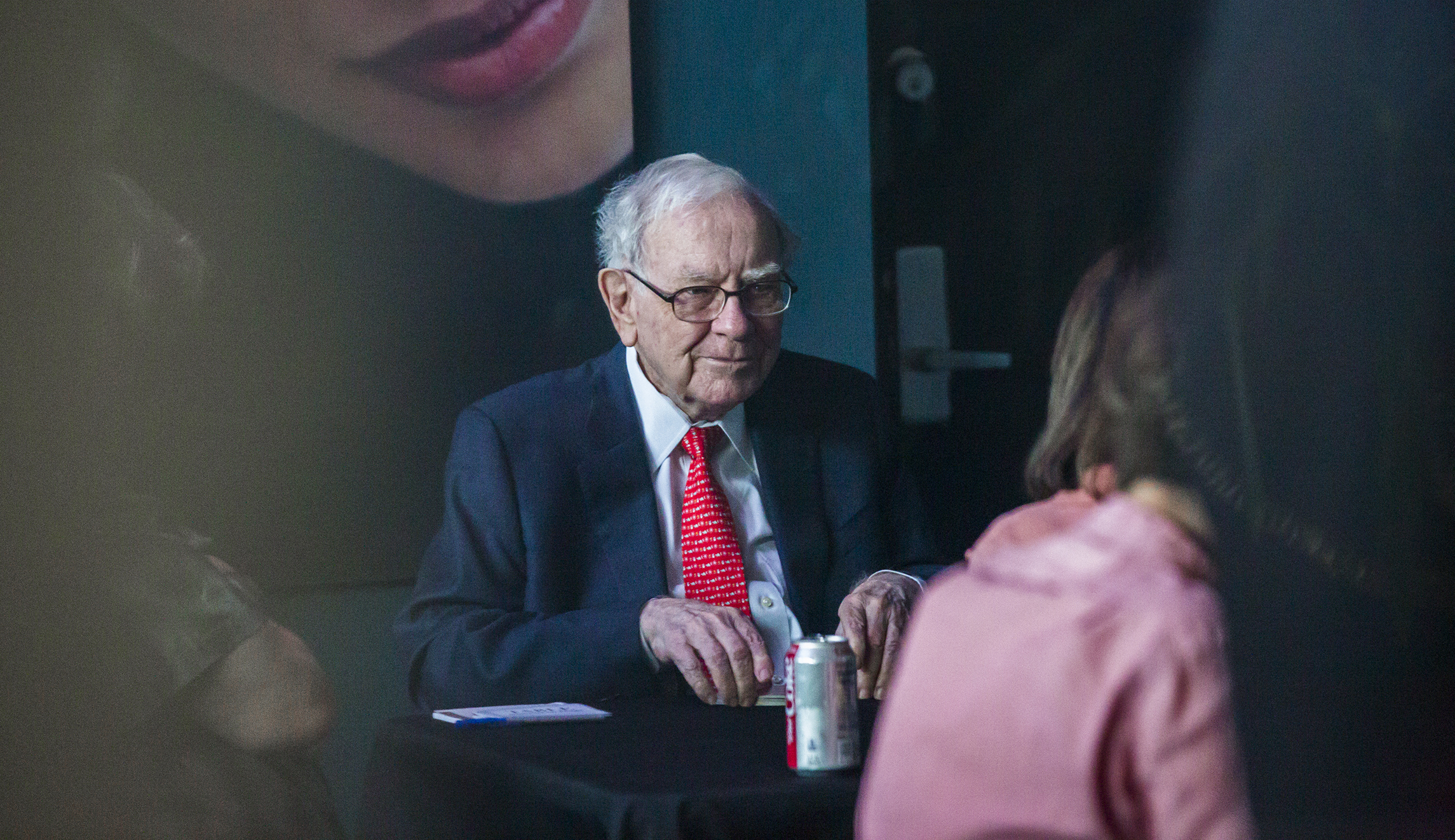
Warren Buffett isn’t shy about expressing his political opinions: The billionaire readily concedes raising money for Democrat Hillary Clinton in the 2016 presidential campaign.
When the 87-year-old engages in such activities, however, he says he’s acting as a private citizen, not speaking on behalf of conglomerate Berkshire Hathaway, where he’s chairman and chief executive officer. “At the parent company level, we have never made a political contribution,” Buffett told investors at the company’s annual meeting last weekend.
Recommended Stories


That’s precisely the reason he argues that Omaha, Neb.-based Berkshire and other businesses shouldn’t have a role in the debate over how the U.S. regulates firearm sales, a question that gained renewed urgency after the Valentine’s Day shooting spree at a Florida high school that left 17 people dead. In the aftermath, many businesses pulled back from the National Rifle Association and tightened their own policies on firearms, drawing censure from Republican lawmakers in the process.
A publicly-traded corporation, Buffett says, has a responsibility to reflect the views of a majority of its shareholders, not just one. Berkshire’s Geico insurance subsidiary, he added, wouldn’t question whether prospective policyholders are National Rifle Association members and reject them on that basis.
“If you get to what companies are pure and what ones aren’t pure, I think it is very difficult to make that call,” he said. The same logic, however, sometimes leads to an ideologically different outcome in Berkshire’s investment choices: The company holds a 6.7 percent stake in Charlotte, N.C.-based Bank of America, which has cut off credit for manufacturers of military-style weapons.
That decision wasn’t based on politics, its management says.
More than 150 of the lender’s employees have been directly affected by gun violence and were pressuring executives to help, Chief Executive Officer Brian Moynihan told an investor who said in April that the bank was aligning itself with factions opposed to the Second Amendment’s guarantee that Americans can keep firearms.
Mike Crapo, the Republican chairman of the Senate Banking Committee, expressed similar concerns in a letter to Moynihan in late April. “It is deeply concerning to me when large national banks like Bank of America, which receive substantial government support and benefits, use their market power to manage social policy by withholding access to credit to customers and companies they disfavor,” he wrote.
At Berkshire, despite Buffett’s position on the gun debate, Vice Chairman Charlie Munger said management “does draw a line on all sorts of things, which are beneath us even though they are legal. We don’t necessarily draw it perfectly because we have some sort of supreme knowledge. We just do the best we can. Certainly, we’re not going to ban all guns, surrounded by wild turkeys in Omaha.”
