

The Drug Enforcement Administration and the Department of Justice support changing a law that critics say hamstrings their ability to freeze suspicious shipments of prescription opioids.
“We are in agreement with a change,” Demetra Ashley, acting assistant administrator for the DEA’s Diversion Control Division, said while testifying during a Senate Judiciary Committee hearing. “What that change will look like ultimately is going to require further discussion.”
Recommended Stories



She said the agencies prefer an amendment over repealing the law, called the Ensuring Patient Access and Effective Drug Enforcement Act. Sen. Claire McCaskill, D-Mo., has said she plans to introduce legislation to repeal the measure, which was passed unanimously by both chambers and signed into law by former President Barack Obama.
“We believe now we are leaning more toward more amending it,” Ashley said, adding that current legislation had made it more difficult to halt suspicious shipments.
Ashley declined to say how the law should be changed, saying a lawyer would need to draft the language. Sen. Ted Cruz, R-Texas, asked the DEA to submit a recommendation in writing once the agency had a chance to review it.
“We can’t understand what you are requesting if the agency does not request it clearly and with language attached,” Cruz said.
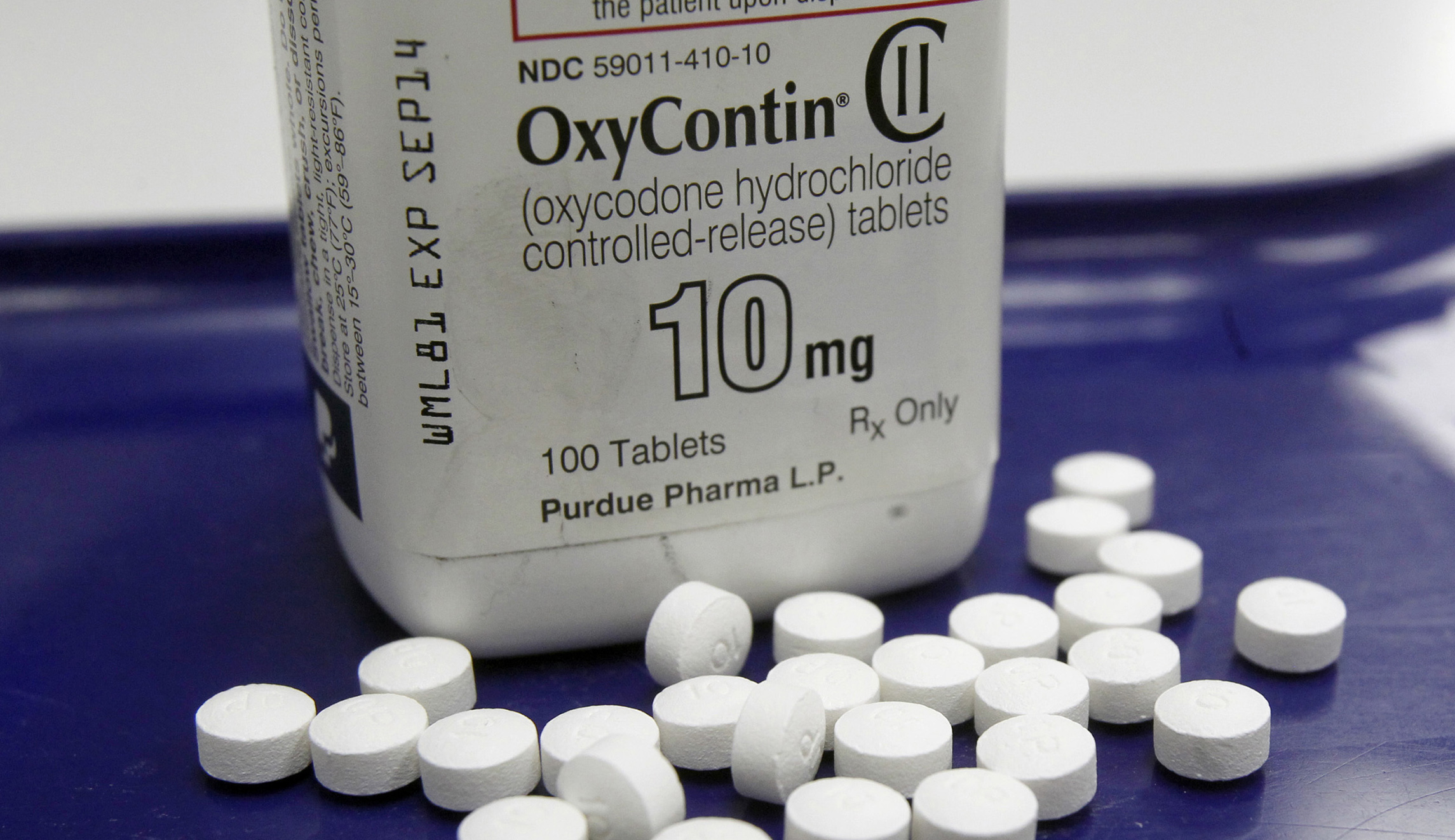
The law has come under congressional scrutiny following reports in the Washington Post and “60 Minutes.” Overprescribing of painkillers such as OxyContin has been a key contributor to the opioid epidemic, which kills 91 people a day, according to federal data.
Proponents of the legislation’s language said it helped clarify that the DEA could no longer suspend narcotic shipments using a vague phrasing under former law that said the order can come only in times of “an imminent danger to the public health or safety.”
Under the new law, the DEA must determine that the shipments present “substantial likelihood of an immediate threat,” meaning death, serious bodily harm, or abuse would otherwise occur. That would prevent people who have legitimate use for the drugs from being cut off, proponents said. The language had been approved by the DEA and drafted by the Justice Department.
Though Ashley pointed out that she had not been in her role when the bill was being debated, she said she had voiced concerns to members of her unit when she was in charge of another part of the agency. Both Republicans and Democrats cited concerns during the hearing about why no objections had been raised before.
“It’s incredibly frustrating to have the agency that signed off on this, and supported it all the way through to the president of the United States, now saying that it needs a change but is unable to articulate what that change is,” said Sen. Sheldon Whitehouse, D-R.I.
