
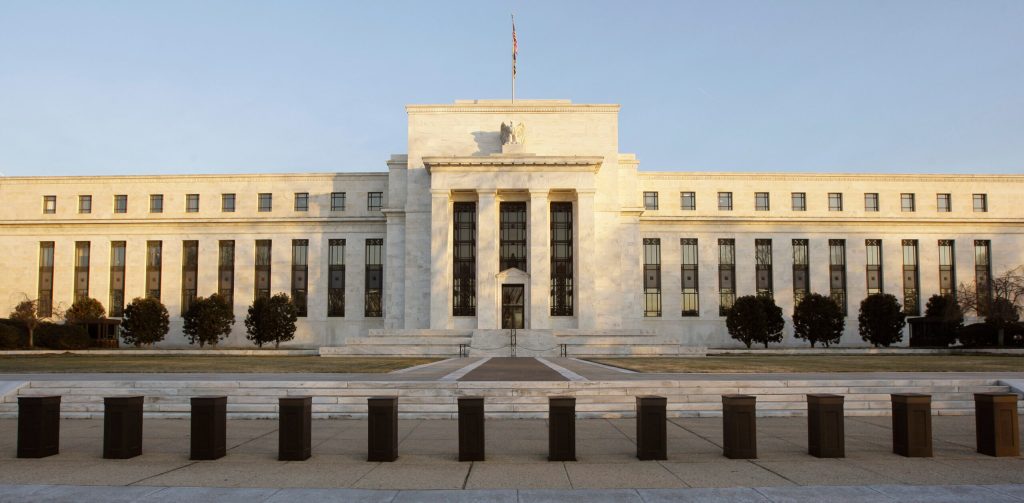
WASHINGTON (AP) — The press called it an early Christmas present for President Woodrow Wilson: On Dec. 23, 1913, Congress passed legislation creating the Federal Reserve. Hours later, Wilson signed the Federal Reserve Act into law.
No one at the White House ceremony that day could foresee what the Fed has become: A titanic institution with power over people and economies worldwide. Its actions shape loan rates and job growth. They affect trade, stock prices, bank rules, financial systems. Economic decisions are made with the Fed in mind. Retirement savings hinge on its policies.
Recommended Stories



Print subscriber? Click here to login/register your account
Digital subscriber? Click here to login/register your account.