

D.C. officials have proposed doubling the amount of training for the 17,000 licensed security guards who work in the nation’s capital in a move to help non-law enforcement officials better handle active-shooter situations.
Recommended Stories


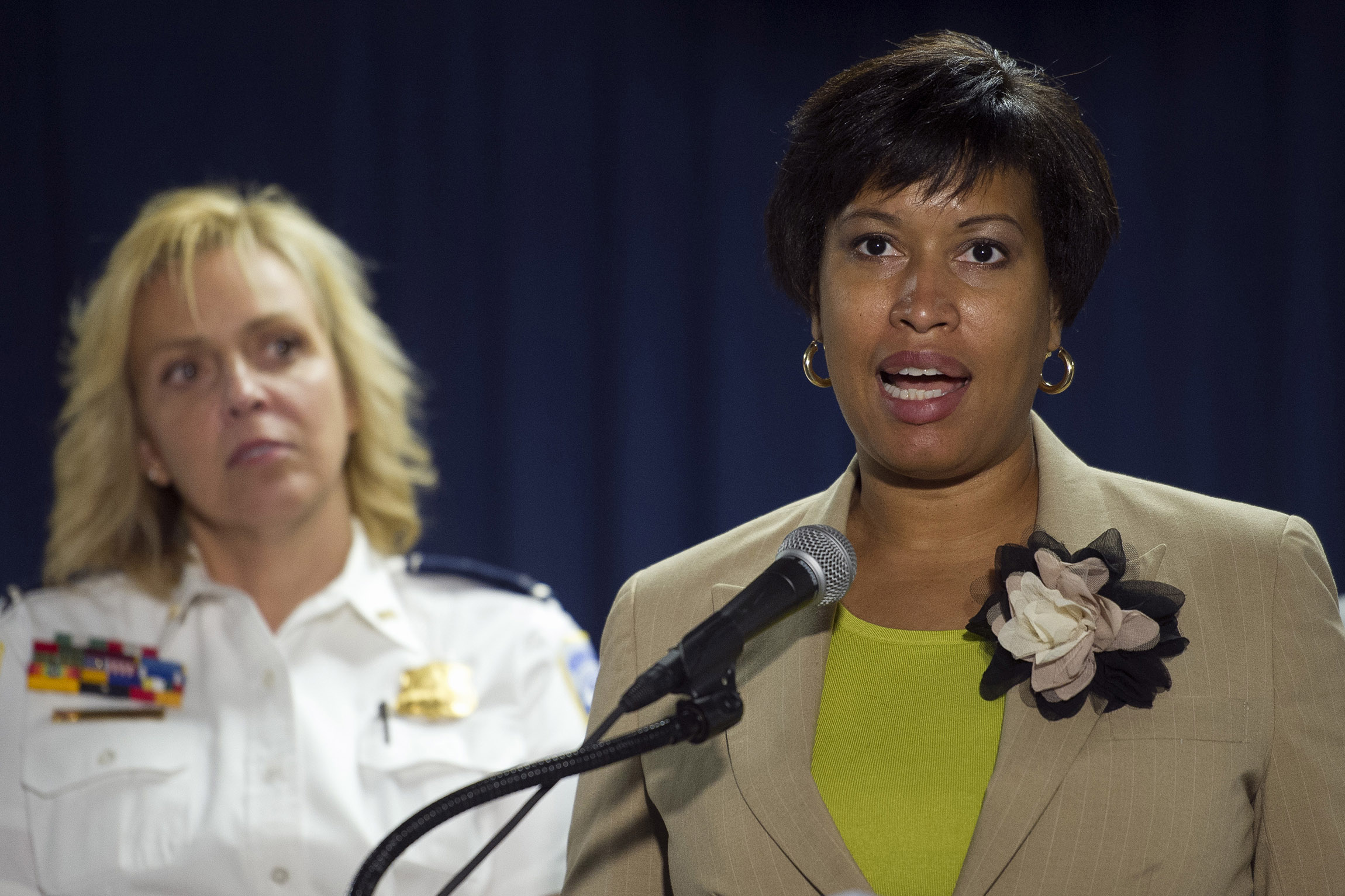
Democratic D.C. Mayor Muriel Bowser, Metropolitan Police Chief Cathy Lanier and other officials announced Thursday a plan to double the hours of training that security guards, referred to as special police officers, must complete, according to a Thursday press release from the mayor’s office.
Incoming security officers would be required to receive 80 hours of training, up from 40 hours, before he or she is eligible to patrol a location.
“These proposed changes to the regulations will equip them with the skill sets they need to not only protect us, but also protect themselves from danger,” Bowser said.
Newly deployed guards would have to serve 80 hours of on-the-job training with an experienced partner before working alone. In addition, the certified special police would be required to complete 24 hours of training every year, tripling the amount of reinforcement training. Training will be broadened to include how to address people with “behavioral or mental health crisis, de-escalation procedures, biased-based policing, cultural competency and individual rights” and various life-saving skills as well as active shooter situations.
Officers legally permitted to carry a gun would have to meet the Metropolitan Police Department’s firearm training expectations as well as 40 hours of initial training and eight hours of recertification classes twice per year.
The mayor cited two recent fatal incidents involving special police officers as one of the reasons for ramping up training procedures, but the enhancements also would improve the city’s readiness for a terrorist attack. Nearly five months ago, an FBI agent said Washington was likely a “high” target on the Islamic State’s hit list.
“Our special police officers are often the first line of defense in an emergency. With our growing and changing community, it is critical that they have the knowledge and training to handle real-world scenarios,” Bowser said.
The regulations will be submitted to the D.C. Council following its summer recess and would go into effect after the council’s 45-day review period ends. Special police officers would be given two years to comply with the various new standards.
