

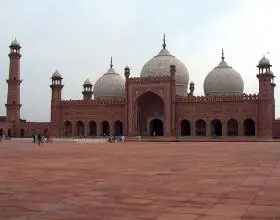
The people of Pakistan, and Muslims as well as non-Muslims around the world, were horrified when, at midnight on July 1, three bombers struck the Data Darbar Sufi shrine in Lahore. Sufis often perform their rituals, known as zikr or “remembrance of God,” on Thursday nights, in preparation for the Friday collective prayer, and the sacred complex was packed. In the attack, 45 people died and 175 were injured. Pakistani media reported that two terrorists blew themselves up inside the building while another stayed outside and threw grenades into the building.
“Data Darbar” means “tomb of the generous one,” and is the mausoleum of Data Ganj Baksh, a name meaning “giver of spiritual treasures” conferred on the 10th-century Sufi, Abul Hassan Ali al-Hajvery, who is buried there. Al-Hajvery, born in today’s Afghanistan, is one of the most prominent Sunni Sufis, beloved among Hindus as well as Muslims in South Asia.
Stay informed.Stay ahead.
Join Washington Examiner for unlimited access to the news, analysis, and commentary that matter most.
Already a member? Log in
