

Obari, Libya
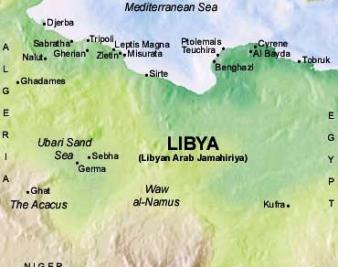
“Why are the people in the north getting petroleum when you are living over it and getting nothing?” said Hisham Hamadi. The plump, energetic lawyer was addressing a conference of activists drawn from Libya’s three Amazigh (or Berber) communities—those from the Nafusa mountains, the West Coast city of Zwara, and the Tuareg of the Sahara desert. And it was the Tuareg that the Nafusan Hamadi was appealing to when he spoke of the injustices visited on them here in their de facto capital, Obari.
This dusty city of 50,000 in the Western Sahara, closer to Mali and Algeria than Tripoli or Benghazi, was nearly the last city in Libya to be liberated by the rebels. Many outsiders, including other Amazigh, charge that Obari supported Qaddafi until the end. Several of the speakers countered that the Tuareg never backed the dictator, but the fact is that the Libyan Army and the two Obari-based paramilitary brigades controlled by Qaddafi’s cronies were among the few employment options in this impoverished area. One local Tuareg activist, Abu Bakr Akaty, contended that 138 Tuareg soldiers were killed for refusing orders to fire on civilians. But perhaps as many as 300 Obari men were slain fighting for the old regime, some in Qaddafi’s brutal assault on Misrata and others defending Tripoli from the revolutionaries.
Stay informed.Stay ahead.
Join Washington Examiner for unlimited access to the news, analysis, and commentary that matter most.
Already a member? Log in
