
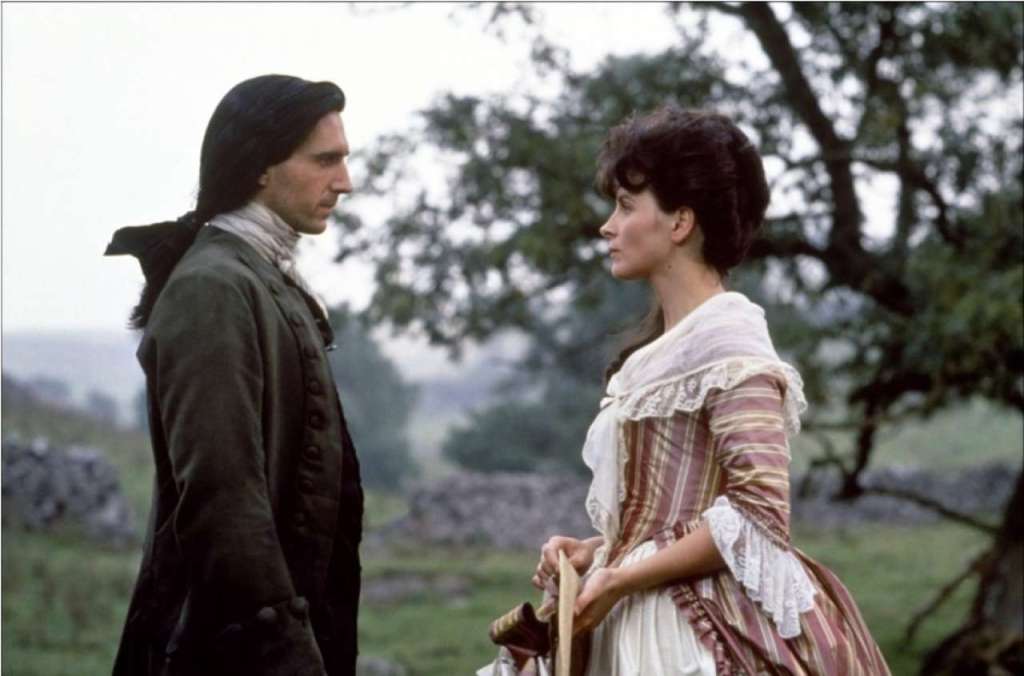
The bicentenary of Emily Brontë this summer—she was born on July 30, 1818—has been marked by numerous tributes, including a month-long installation of a commemorative postbox near her birthplace and many essays discussing her life, work, and influence. It is as good an occasion as any to revisit her legacy, which consists chiefly of just one novel, Wuthering Heights, and to ask why it remains fascinating and perennially controversial.
The middle of the three Brontë sisters who lived to adulthood, Emily Jane Brontë died of tuberculosis at 30, just a year after her novel was published under the pen name “Ellis Bell.” Brontë mythology—partly created by older sister Charlotte—has depicted Emily as an unworldly and unschooled young woman, a country curate’s daughter who lived in rural isolation yet conjured a fictional world of shocking passions and disturbing violence. Revisionist biography, though, such as the recent Emily Brontë Reappraised by British academic Claire O’Callaghan, gives us a much worldlier Emily—one who spent nearly a year in Brussels with Charlotte teaching at a boarding school and studying music and French literature. Their instructor, Constantin Héger, was greatly impressed by Emily’s intellect: Her capacity for reasoning, he later recalled, was “unusual in a man and rarer indeed in a woman” but was impaired by her “stubborn tenacity of will.”
Real journalism.Trusted by millions.
Unlimited access to in-depth reporting, expert analysis, and the stories that shape our country.
Already a member? Log in