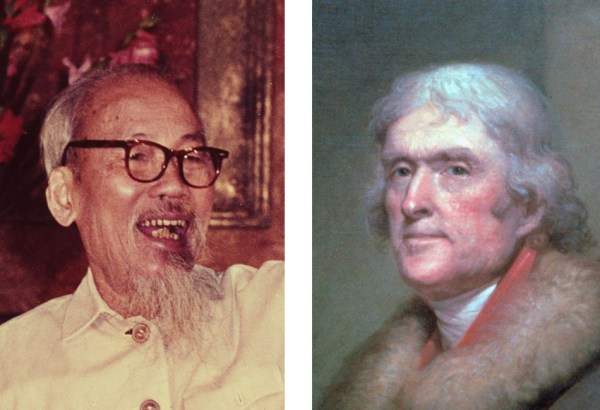
A century ago, progressives were challenged to achieve “Jeffersonian ends by Hamiltonian means.” Beginning with Herbert Croly’s The Promise of American Life, and continuing through the New Deal, Democrats increasingly eschewed state-based populist Jeffersonian democracy and replaced it with FDR’s brand of nationalist democracy. Long wary of Alexander Hamilton’s elitist, nationalist themes, progressives learned (in Croly’s words) to transform “Hamiltonianism into a thoroughly democratic political principle.” They did so out of necessity, for it was the only way that they could successfully achieve the “vigorous and conscious assertion of the public as opposed to private and special interests.”
Today, Tea Party populism reverses the question: can conservatives achieve “Hamiltonian ends by Jeffersonian means?” That is, must Hamilton’s goals of fiscal stability and economic growth be achieved—not through elitist political institutions, but instead through Jeffersonian populism?