

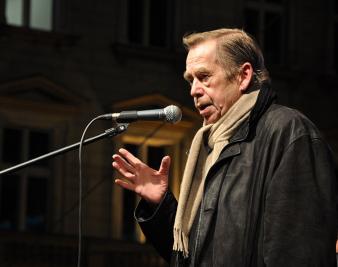
By any standard, the transition toward democracy and market economy in Central Europe was almost miraculously successful. For that, Václav Havel deserves a significant share of the credit. Besides displaying enormous personal courage and determination in opposing the mortally rigid regime of Gustáv Husák’s era, he helped start the right conversations about the future of the country, once the window of opportunity for political and economic reforms was opened.
I have only one personal recollection of the shy and diminutive man: I saw Havel, from a distance, at a meeting in one of Bratislava’s squares in the early 1990s, at a moment when he was being yelled at by a small group of egg-throwing and jeering Slovak nationalists. Of course, two years later Czechoslovakia was non-existent. Although the Slovak’s path was much bumpier than the Czech Republic’s, both countries joined the European Union in 2004, and have become completely normal—almost boring—places.
Stay informed.Stay ahead.
Join Washington Examiner for unlimited access to the news, analysis, and commentary that matter most.
Already a member? Log in
