

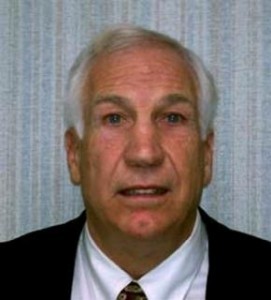
Emails obtained as a result of the Penn State University Board of Trustees’ investigation of the school’s role in the long-running sexual abuse of young boys by former football coach Jerry Sandusky reveal that the now-convicted pedophile received a generous early retirement package in 1999.
After examining the emails, reporter Jared Sichel of the Pennsylvania Independent said today Sandusky’s retirement was not a result of discovery of his sex crimes, but of PSU officials’ desire to help him “take advantage of an early-retirement program that boosted his retirement benefits.”
Recommended Stories


The emails were included in the 267-page report produced under the direction of former FBI Director Louis Freeh Jr. The documents detail a process in which Sandusky actively sought the separation from the PSU active coaching staff, according to Sichel.
Last month, Sandusky was convicted on 45 counts of sexual abuse of young boys, with many of the incidents occurring on PSU property. He faces up to 60 years in prison when he is sentenced later this year.
“As part of the Freeh report, communication between three Penn State officials — former President Graham Spanier, former Vice President Gary Schultz, and suspended Athletic Director Tim Curley — between February 1998 and June 1999 shows that Sandusky, former football head coach Joe Paterno and the three university officials wanted to finalize Sandusky’s retirement before ’30-and-out’ ended on June 30, 1999. They wanted to help Sandusky receive more pension benefits from the state,” Sichel said.
“The emails in fact suggest that Penn State would have been happy to keep Sandusky as a coach ‘for three more seasons,’ but Sandusky instead opted for retirement and the perks offered by Penn State and the state. One of those perks was an unusual $168,000 lump sum payment from the university,” according to Sichel.
Sandusky took advantage of a one-year window of opportunity created by the Pennsylvania legislature that enabled state employees with 30 years of service to get benefits normally provided for those with another five years of service.
For more from Sichel, go here.
