

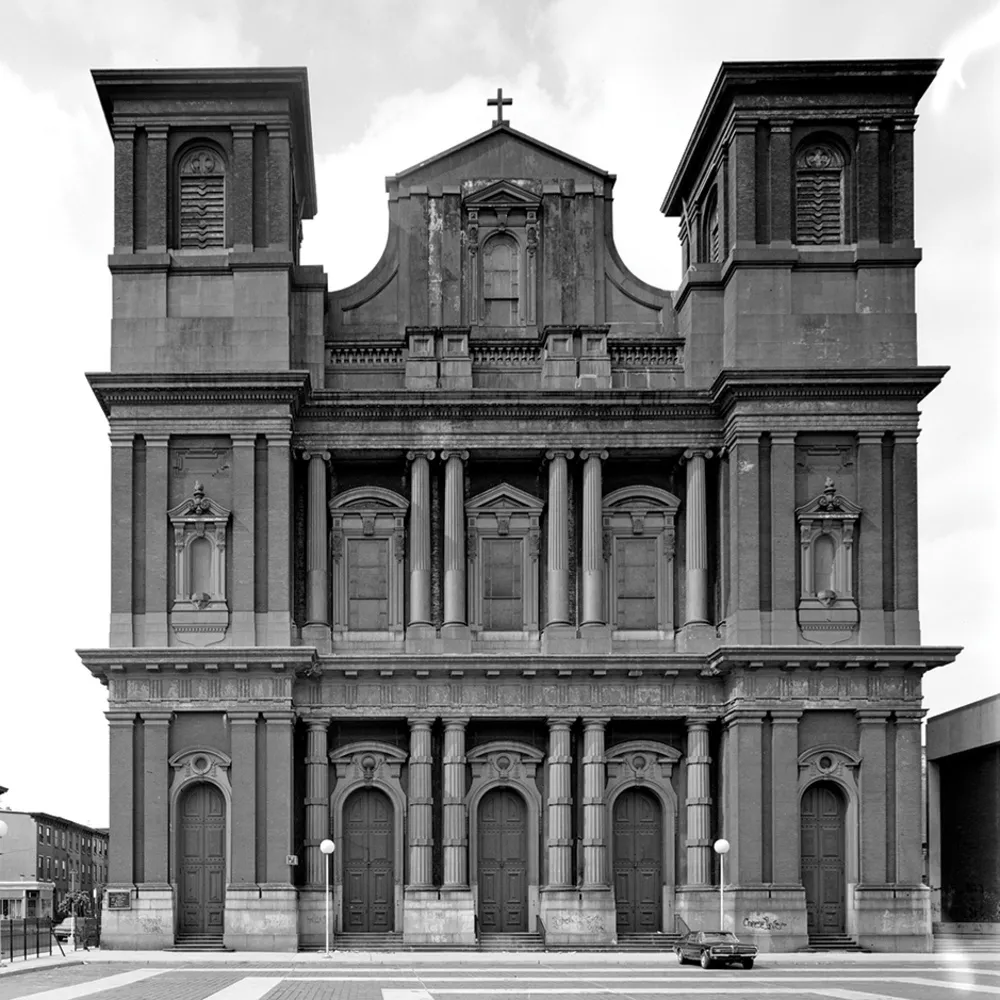
The Society of Jesus was founded in 1540. Its members, the Jesuits, famous for their brilliance, courage, and missionary zeal, were also suspected across Europe, over the next 200 years, of Machiavellian politicking. In 1773, Pope Clement XIV abolished the order, but Pius VII restored it toward the end of the Napoleonic Wars, in 1814. In the 19th century, the Jesuits favored the vindication of miracles, hostility toward other branches of Christianity, and papal infallibility. Today, they are known for anti-imperialism, ecumenism, and integrating Roman Catholicism with indigenous cultures around the world. In American Jesuits and the World, John McGreevy explains the twists and turns of their history and dissolves the apparent paradoxes.
Jesuits feared the rising tide of liberalism in 19th-century Europe, which culminated in the revolutions of 1847-48. A new round of suppressions and expulsions led dozens of Jesuits to migrate to America from Germany, Switzerland, Belgium, and Italy. They had hardly settled in when boatloads of political refugees also arrived, fleeing the repression that had brought those revolutions to an end. As a result, conflicts that had begun in Europe resumed in Maine, Missouri, and Louisiana, with the old antagonists still confronting each other but now in a very different setting.
Stay informed.Stay ahead.
Join Washington Examiner for unlimited access to the news, analysis, and commentary that matter most.
Already a member? Log in
