

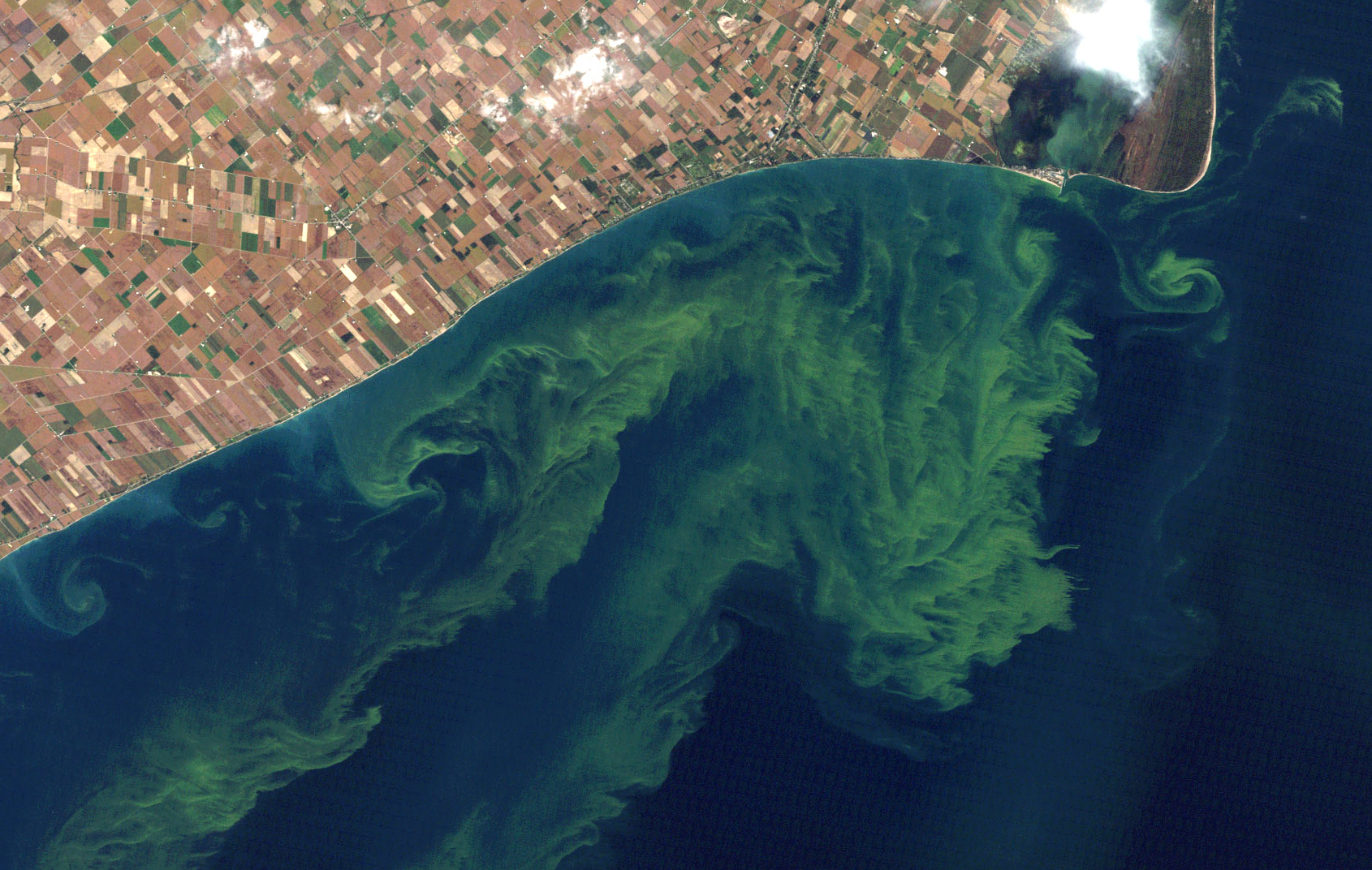
TRAVERSE CITY, Mich. (AP) — It was the largest algae bloom in Lake Erie’s recorded history — a scummy, toxic blob that oozed across nearly one-fifth of the lake’s surface during the summer and fall of 2011. It sucked oxygen from the water, clogged boat motors and washed ashore in rotting masses that turned beachgoers’ stomachs.
It was also likely an omen of things to come, experts said in a study released Monday. The warming climate and modern farming practices are creating ideal conditions for gigantic algae formations on Lake Erie, which could be potentially disastrous to the surrounding area’s multi-billion-dollar tourist economy. The shallowest and southernmost of the Great Lakes, Erie contains just 2 percent of their combined waters but about half their fish.
Stay informed.Stay ahead.
Join Washington Examiner for unlimited access to the news, analysis, and commentary that matter most.
Already a member? Log in
