

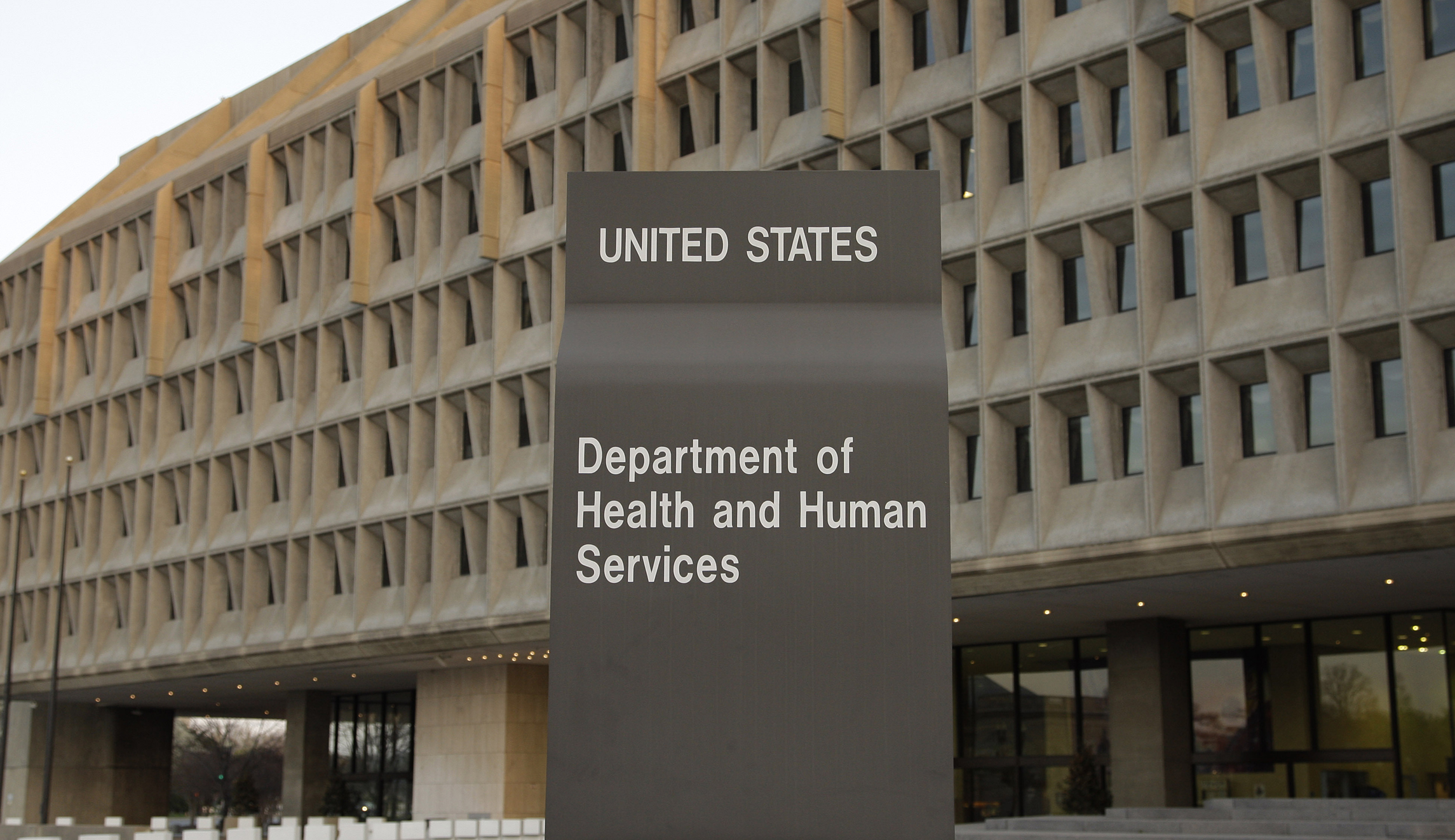
The Trump administration has proposed relaxing 30-year-old rules that prevent self-referrals and kickbacks in medicine, saying they get in the way of different parts of the healthcare system working together.
The proposal, which President Trump will speak about Wednesday in Minnesota, applies to the Physician Self-Referral Law and the Anti-Kickback Law, which exist to protect patients so doctors wouldn’t order unnecessary, costly tests or procedures just so they could benefit financially. Despite the protections, healthcare industries have been pushing for changes, saying the rules had become overly burdensome and expensive, and prevented them from setting up arrangements that would help patients get access to the care they need more easily and at lower prices.
Recommended Stories



The initiative is part of a broader Trump administration effort to cut red tape throughout the federal government and to outline Trump’s healthcare priorities ahead of the 2020 election. The next announcement is expected to be about drug prices.
Under the self-referral law, doctors aren’t allowed to refer Medicare and Medicaid patients for services from entities from which they could benefit from financially, such as labs or hospitals. The law is commonly known as the “Stark Law,” for its author, former Democratic Sen. Pete Stark of California. The other law, the anti-kickback one, makes it illegal for healthcare providers to accept bribes in return for getting business from Medicare and Medicaid.
The Trump administration’s announcement Wednesday proposed to allow for new “safe harbors,” which eliminate liability when healthcare providers coordinate care, as long as they meet certain conditions. They were proposed through the Office of Inspector General at the Department of Health and Human Services, which is the oversight division within the agency.
HHS Secretary Alex Azar said in a phone call with reporters Tuesday that an example of an arrangement permitted under the proposal would be that a hospital would be allowed to give patients with diabetes the technology they would need to monitor their condition at the time they are discharged from the hospital. In that case, patients wouldn’t have to take a separate trip elsewhere to get the devices.
The changes would also allow local hospitals to donate cybersecurity software to doctors that refer patients to them, given that both providers work together and want to keep patient information private and safe.
While the current regulations have dozens of exemptions to allow for some collaboration, healthcare providers say they are ambiguous and complex, requiring them to pay expensive fees to attorneys to make sure they aren’t running afoul. If they are, intentionally or not, they’ll face fines and will be banned from seeing patients on Medicare or Medicaid.
Health officials told reporters Tuesday that the rules have contributed to the high cost of healthcare, but they didn’t have an estimate of how much the proposal would save, noting that it was difficult to predict how the healthcare industry might react.
When the anti-kickback and self-referral rules were initially created, the healthcare system operated differently from how it would work in the reform scenario that health officials have been working toward, both in the current administration and the Obama administration.
Historically, doctors and hospitals were paid for the specific procedures or services they provided. But increasingly, insurers and the government are pushing for healthcare providers to show that their care made patients better and improved their quality of life, which requires them to better coordinate with the different caretakers involved and to focus on ideas that would reduce hospital readmissions and make it easier for patients to get what they need. The setup also often involves rewarding doctors who perform well, potentially violating the restrictions currently on the books.
The regulations will go through a public comment period before they become final.
[Daily on Healthcare newsletter: Another piece of ‘Trumpcare’ rolled out]
