

A union boss who stormed the Los Angeles Harbor Commission with 1,200 members protesting automation is now on the City of Long Beach payroll making policy for the port.
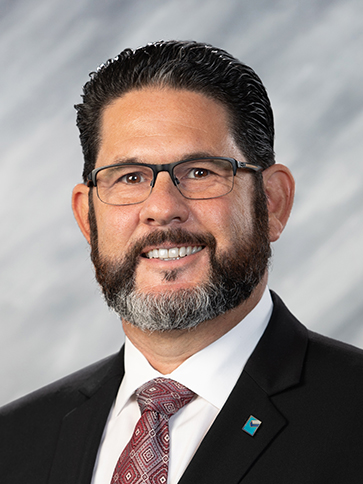
Bobby Olvera Jr. has been a member of the International Longshore and Warehouse Union for 30 years, serving as current international secretary and both president and vice president of the local Los Angeles chapter. Now he sits as secretary of the Long Beach Harbor Commission with influence over how $1.6 billion in tax dollars is spent.
While Long Beach pushes toward greater port automation to speed up 8.1 million shipments a year, one of its five commissioners is clearly not a fan as past statements reviewed by the Washington Examiner show.
SHIPPERS TO BE FINED FOR LEAVING CARGO AT LA PORTS
“We didn’t reach a good deal, but we reached a satisfactory deal,” Olvera said in a 2016 convention podcast regarding the union’s agreement with Long Beach’s automated terminal operator. “We get a big pile of s*** and kind of make it a little bit nicer.”
However, in 2014 the union signed a contract still in effect guaranteeing 40 hours of work for longshoremen. Despite this, Olvera continued to claim, “What we don’t want is to be unemployed living under a bridge.”

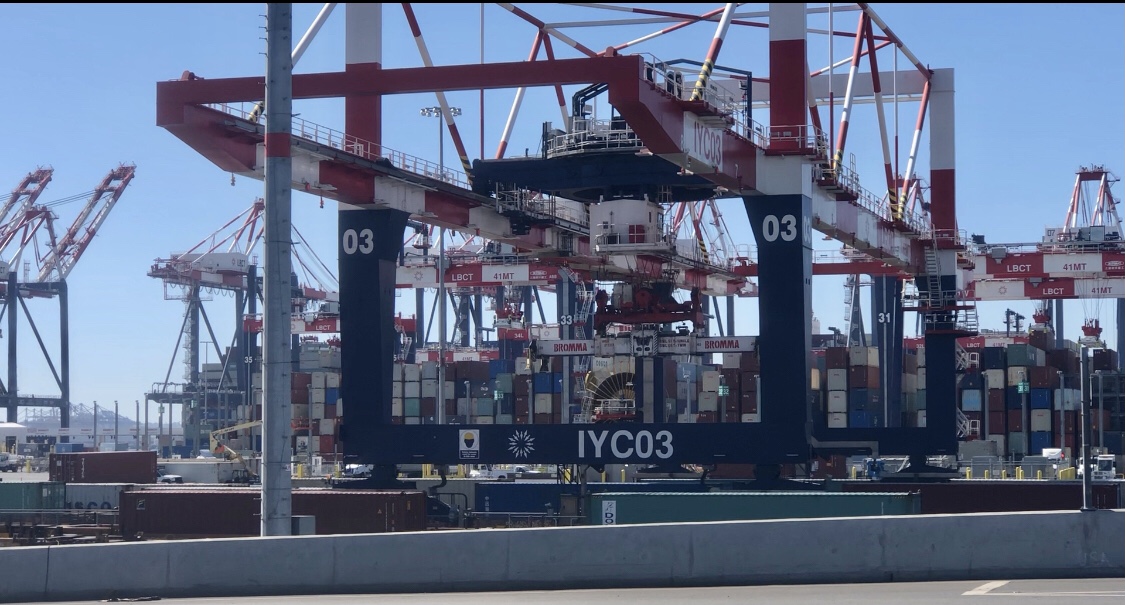
In 2019, a year before he was appointed to the Long Beach Harbor Commission, he and more than 1,200 others jeered at a Los Angeles Harbor Commission hearing protesting computer-driven container trucks. One trade publication put the number of protesters at 2,000 and posted a photograph showing Olvera along with other union officers standing in front of a sea of people.
Both Long Beach and Los Angeles ports have appointed other ILWU members to on their commissions, which is a conflict, said Peter St. Onge, an economic policy fellow with the Heritage Foundation.
“Just because they are doing this, doesn’t mean it’s right or ethical,” he said. “Why [Olvera] would have power over a commission that impacts his own union seems irregular.”
Olvera was nominated to his port job by Long Beach Mayor Robert Garcia and confirmed shortly after. The Washington Examiner made five requests for comment on this story, including interviews with Olvera and Garcia. The messages were not returned.
The five-member commission does not have anyone serving from the trucking or shipping industries, which are the other parts of the trifecta involved in port operations.
Sean Higgins, a supply chain expert with the Competitive Enterprise Institute, questioned whether it would be fairer to include truckers and shippers on the commission.
“It doesn’t appear to be particularly balanced,” Higgins said.
The three parties are often at odds with each other as to who is responsible for backed-up cargo, a problem that has plagued the ports for years.
The current scenario of more than 100 ships waiting off the coast of Los Angeles and Orange counties to unload their cargo has often been blamed on a lack of truck drivers. Truckers say slow crane operators are the culprit. Both the truckers and the shippers welcome automation to speed up the process.
Los Angeles Port Executive Director Gene Seroka, a former shipping executive, has said automation is the way of the future. Los Angeles has one fully automated terminal.
One thing is for certain: Los Angeles and Long Beach are at the bottom of a list ranking the world’s 351 ports for efficiency. At rankings of 328 and 333, respectively, combined with empty shelves throughout America, something appears to be off. Will increased automation eventually save the day?
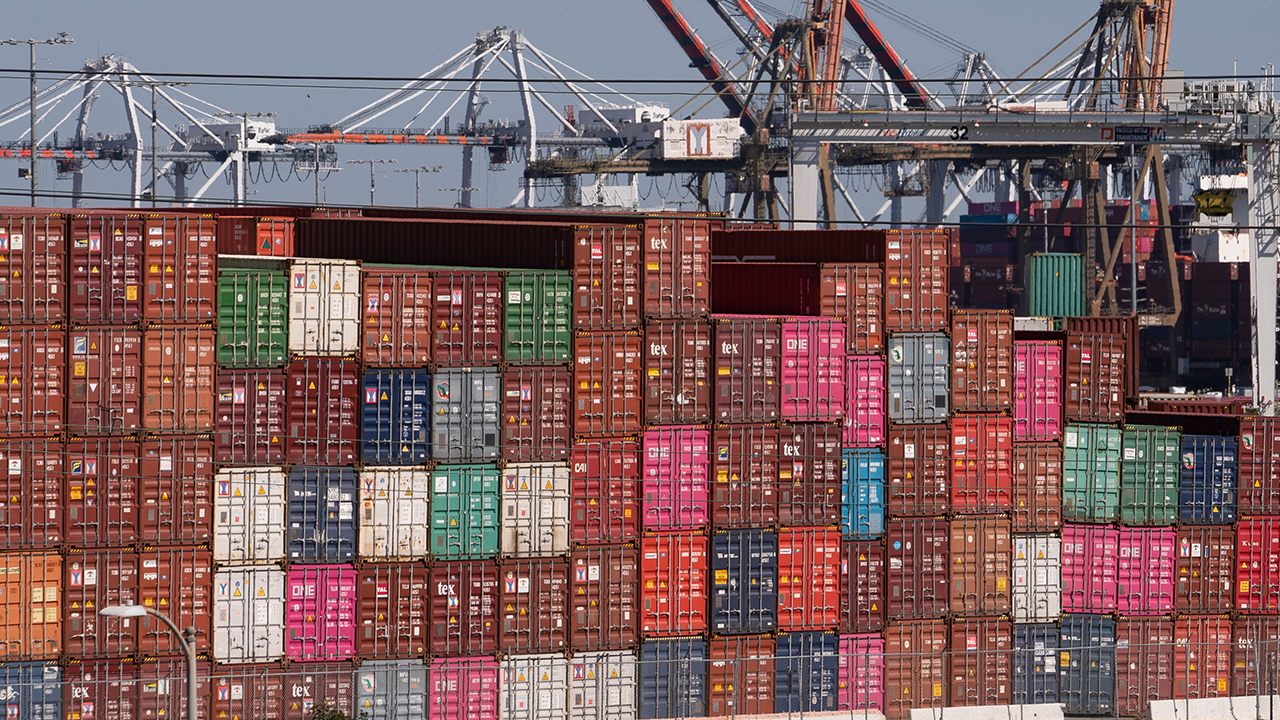
Statistics were not available for Los Angeles, but Long Beach has more than doubled its yearly output at the automated terminal to 3.3 million containers per year, a spokesman said. Truckers have told the Washington Examiner that they love picking up cargo there because it’s quick and alleviates long lines and the frustration of waiting up to an entire day for a single load.
Automation began during the last decade, and longshoremen quickly rallied against it, seeing robots as a threat to their jobs. In 2014, their new contract stated that any worker displaced by a machine would be first in line to be hired for any new position, giving them additional hours beyond the guaranteed 40. Crane operators make up to $260,000 a year, the Washington Examiner discovered.
Commissioners make up to $7,000 per year, depending on the number of meetings they attend.
CLICK HERE TO READ MORE FROM THE WASHINGTON EXAMINER
“Automation is not the wave of the future,” Olvera told American Shipper in 2014. “We’re seeing the flaws in automation right now in the Port of Los Angeles. We are seeing machines that run into each other. We are seeing a lack of productivity.”
