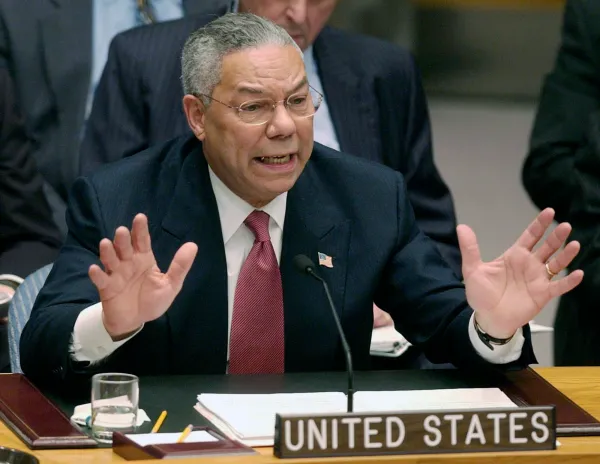
IN A LITTLE NOTICED speech on February 8, National Security Advisor Stephen Hadley announced that the United States had recently adopted “a new declaratory policy to help deter terrorists from using weapons of mass destruction against the United States, our friends, and allies.” This policy would threaten with retaliation “those states, organizations, or individuals who might enable or facilitate terrorists in obtaining or using weapons of mass destruction.”
This new policy is a major step forward for U.S. counterterrorism policy. Contrary to the mantra that deterrence is irrelevant to addressing the terrorism problem, the truth is that deterrent threats can and should play a central role in preventing attacks, especially catastrophic attacks. Perhaps the attackers themselves cannot always be deterred, but terrorist attacks are not the work of bombers alone. They are the result of coordinated actions by groups of people. The key is therefore to expand deterrent threats beyond the core members themselves to encompass those who support, enable, facilitate, finance, provide expertise, and in other respects are complicit in WMD strikes.