

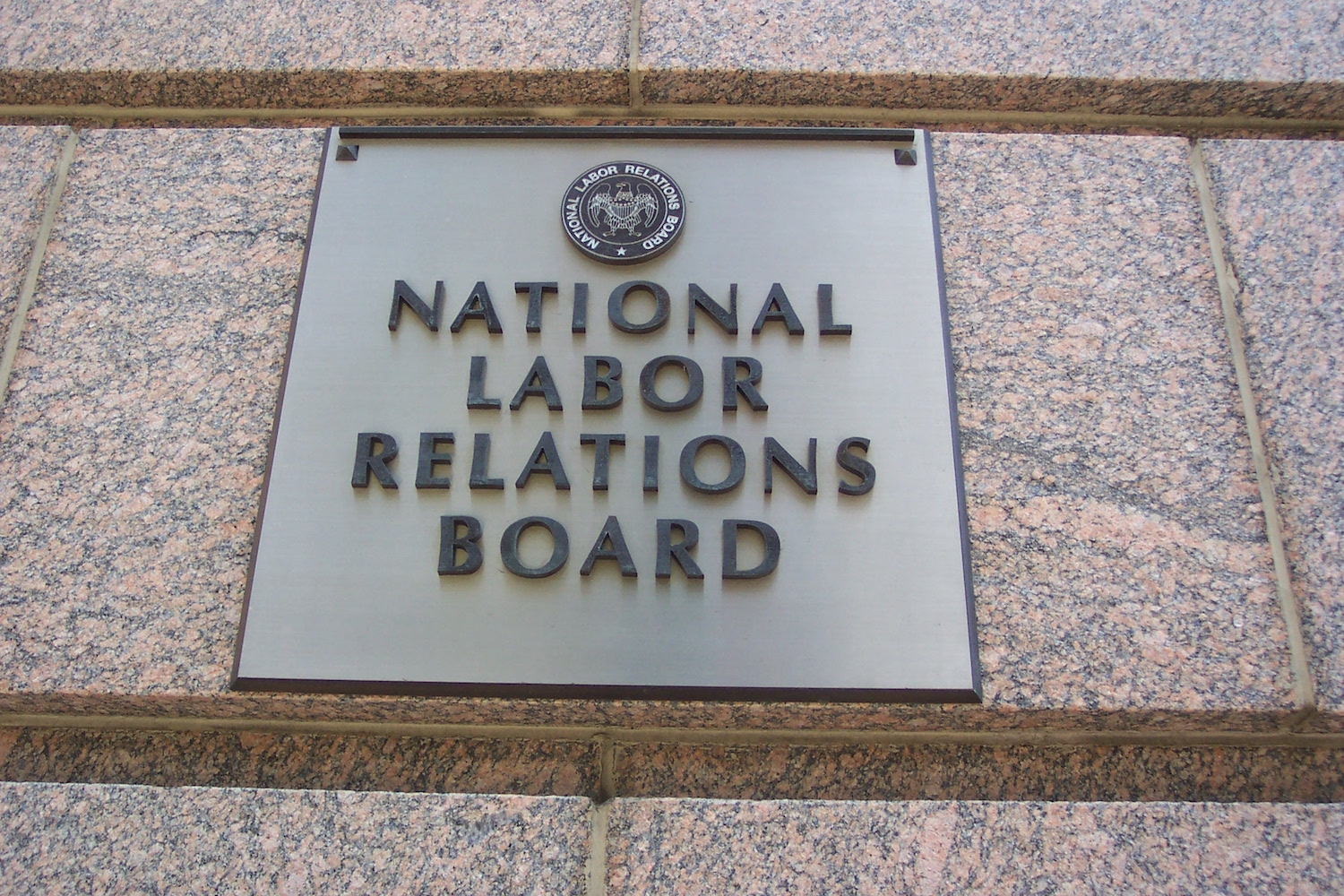
The Chamber of Commerce on Tuesday called on the Trump administration to reverse 10 decisions made by the National Labor Relations Board under President Obama, including key policy moves aimed at making it easier for workers to form unions.
The Chamber’s ten-point wishlist for the NLRB, the nation’s main labor law enforcement agency, was released in anticipation of Trump changing the membership of the board. The five-member board currently has a Democratic majority but two open seats, meaning that Trump could change the board’s direction once his picks get Senate confirmation.
Recommended Stories


Under President Obama, the board moved to radically expand its regulatory reach by reinterpreting existing rules, a process that allowed it to circumvent Congress. Business groups like the Chamber cried foul, arguing that it was little more than an effort to boost the administration’s allies in the labor movement.
“The Obama-era NLRB’s flawed interpretation of the National Labor Relations Act led to a massive regulatory overreach that favored unions at all costs. Congress and the Trump administration can restore common sense to labor law by appointing new board members who will properly administer the NLRA, and by making sensible legislative fixes to the statute,” said Glenn Spencer, vice president of the Chamber’s Workforce Freedom Initiative.
Among the policies the Chamber wants to see reversed are those that would:
1- Allow small subgroups of employees to form unions, reversing a long-standing policy that only allowed unions that covered an entire workplace. This allowed unions to gain footholds in workplace where they otherwise did not have majority support of the workers.
2- Substantially speed up the time from when a workplace unionization was authorized to when the vote was held. The interim was reduced from one to two months to about two weeks, a shift that the Chamber alleged allowed for “ambush elections” that gave businesses little time to respond.
3- Expand the legal definition of “joint employer,” when one business is legally responsible for workplace violations involving another employer’s workers. Originally it was limited to when one business had “direct control” over another employer’s workers, but the NLRB under Obama expanded that to the much more ambiguous “indirect control.”
4- End a prohibition on class action waivers in contracts that require employees to agree to arbitration for any disputes. Businesses prefer arbitration because it tends to be faster and involves less negative publicity.
The changes to the NLRB rules, if they do come, are not likely come quickly. The two replacements for the board must first get Senate confirmation. The leading candidates for the open slots are reportedly Marvin Kaplan, a top lawyer with the Occupational Safety and Health Review Commission, and Bill Emmanuel and Doug Seaton, management-side attorneys in private practice. The full board would then have to begin the formal rulemaking process, which can take months or even years before it is finished.
“The president is a businessman who is focused on creating jobs and growth. He is also committed to rolling back regulations that stand in the way. Tackling the policies outlined in this report aligns squarely with those goals, and the business community is optimistic about doing so,” Spencer said.
