

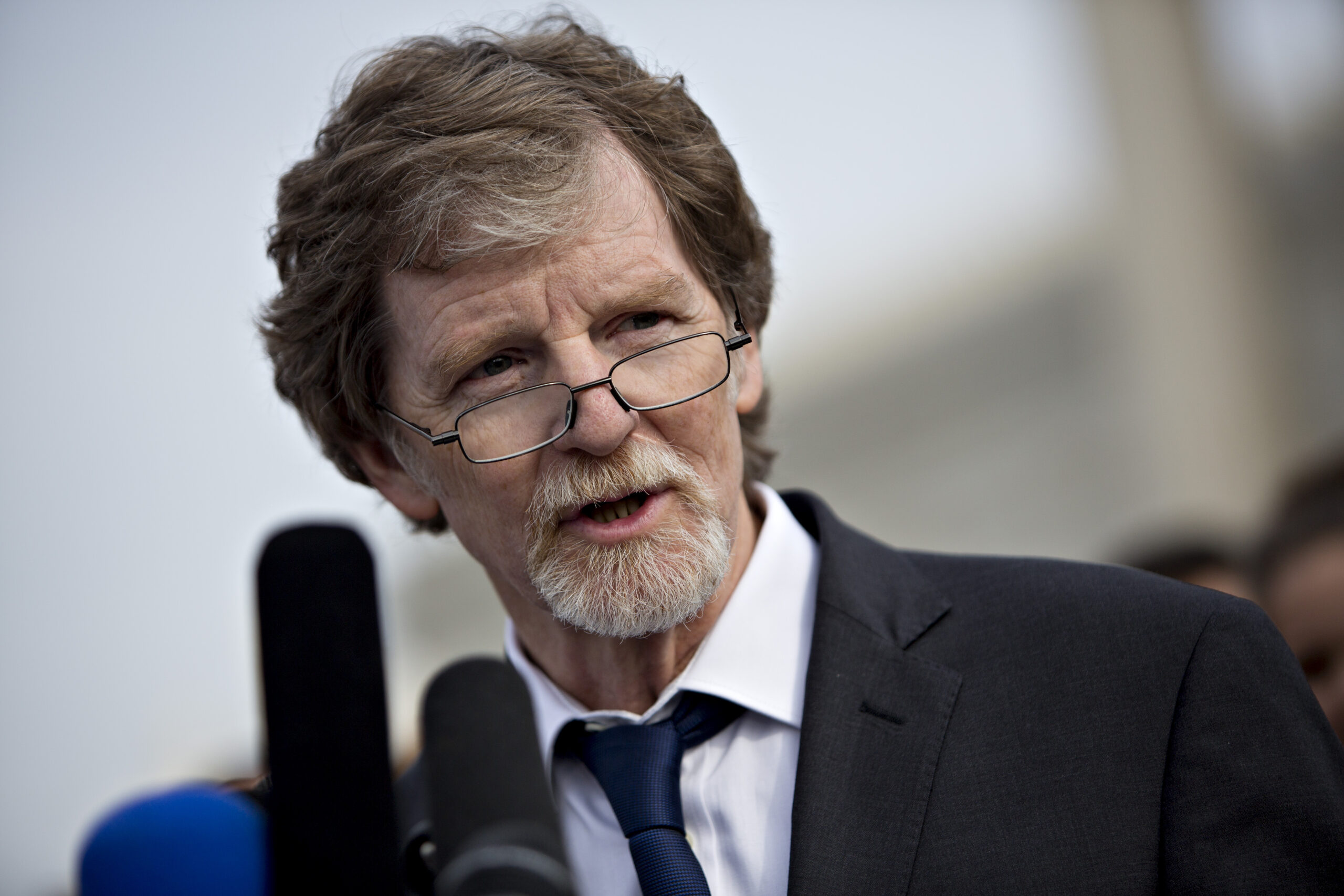
The Supreme Court’s 7-2 decision in Masterpiece Cakeshop v. Colorado Civil Rights Commission has been widely described as narrowly tailored (as with so many recent decisions that have big political ramifications). But while Justice Anthony Kennedy’s majority opinion focuses heavily on Colorado’s unfair treatment of plaintiff Jack Phillips and leaves alone the case’s First Amendment question, it also represents a significant victory for proponents of religious religious liberty and freedom of conscience. Even if it seems likely that those core issues will end up before the court again.
Phillips’ ordeal began in 2012, when he declined to bake a custom wedding cake for Charlie Craig and David Mullins. Phillips is a sincere and committed Christian who also doesn’t bake Halloween-themed goods and has turned down cake orders meant to celebrate divorces. That didn’t matter to the Colorado Civil Rights Commission, which initiated a hearing before an administrative law judge after the couple complained. The administrative judge concluded that Phillips’s artistic skill was not protected speech and the state Civil Rights Commission upheld that ruling. The majority, which included Stephen Breyer and Elena Kagan, paid close attention to how the commission treated Phillips and found the commissioners’ behavior wanting. One of them went so far as to compare Phillips, whose father was part of the force that liberated Buchenwald, to a Nazi. (For more on Phillips and the specifics of his case, see my interview with him from last summer.)
Stay informed.Stay ahead.
Join Washington Examiner for unlimited access to the news, analysis, and commentary that matter most.
Already a member? Log in
