

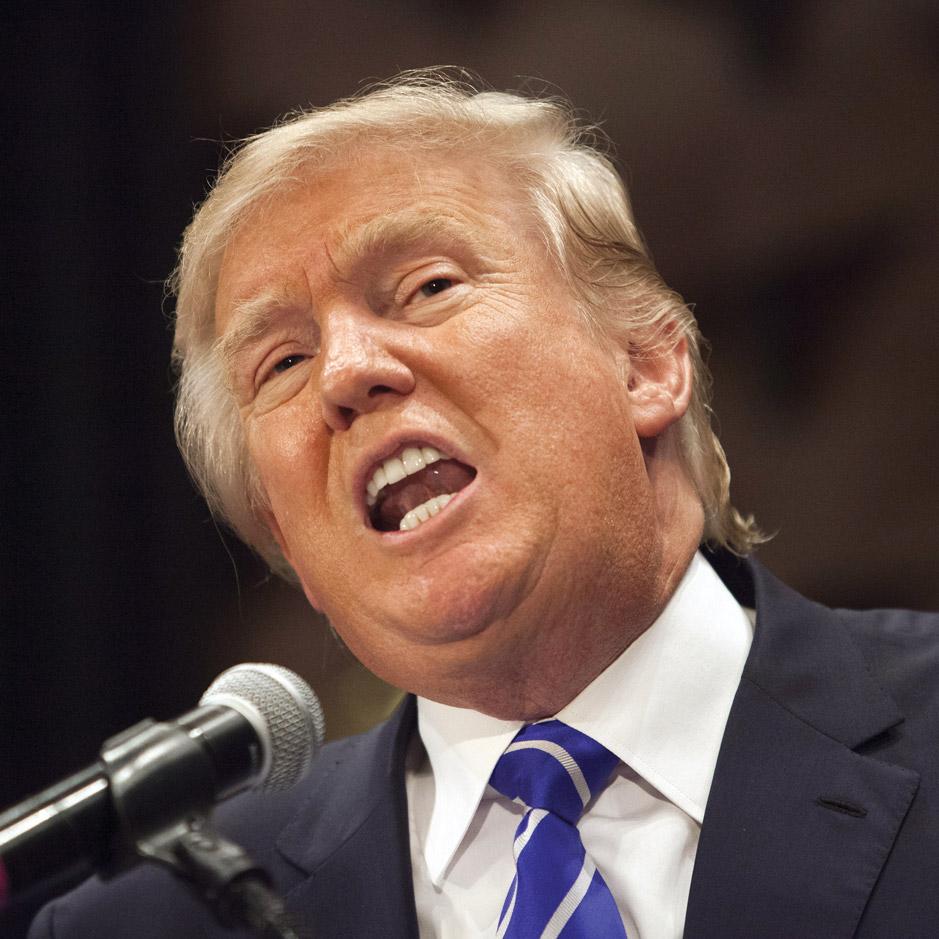
Vox‘s Ezra Klein wrote a good piece of analysis Monday about how unpredictable politics has become. He notes that the four surprising political developments we’ve seen in the last few months—Speaker of the House John Boehner resigning from Congress, and Scott Walker dropping out of the presidential race early while figures such as Donald Trump and Bernie Sanders were ascendent—were totally unpredictable.The conclusion he draws is this:
I think there’s something to this, especially in understanding how Donald Trump has become the embodiment of this unpredictability. It’s not a stretch to say the Republican base has long been more conservative than the party elites, and this is especially true of Republican primary voters. Despite this, for a long time, Republican voters have been convinced by various structural voices who are more more liberal than they are—donors, party leadership, the media etc.—that they have to accept a candidate who is deemed “electable” rather than conservative.
The post-Reagan track record of GOP nominees is basically a rebuke to conservatives: George H.W. Bush raised taxes and gave us David Souter; Bob Dole was the consumate insider and moderate; George W. Bush created a new entitlement and a new cabinet-level federal agency and let debt spiral out of control; at times John McCain seemed almost ashamed to campaign on conservative ideas or push back against Barack Obama’s “historic” candidacy; and Mitt Romney’s history as a health care technocrat couldn’t convince voters he was in actuality “severely conservative,” as he (awkwardly) put it.
Not one of these five post-Reagan candidates have left conservative primary voters feeling like the GOP reflects their priorities. Essentially, party elites have managed to shift the Overton Window on the Buckley Rule, i.e. “Be for the most right, viable candidate who could win” too far to the left. And thanks to Trump, GOP voters have woken up to this fact and are not happy about it.
Obviously, money is big part of the model that “weights elite opinion heavily” in choosing candidates. At the end of the day, people who write checks are betting on some quid pro quo, so electability is a lot more important to them than the burn-it-all mentality of the GOP base right now. Tonally, Trump is both channelling that anger and presents himself as being above the moneyed donors and interests that control politics, and that is understandably appealing to conservative voters right now. With Trump leading the race, the base is holding the donor class hostage because we have finally reached a moment where the media are so splintered and people are so ticked off that the normal campaign rules don’t apply. GOP donors can no longer coalesce around a preferred front runner, buy millions in ads in Iowa in August, and set the narrative through the caucus in January.
So we end up in this weird moment where Jeb Bush raised $100 million right off the bat based on his perceived inevitability (and yes, family connections), but he may have his major donors bailing on him after the next few polls. For once, the donor class is left looking to figure out how the Buckley Rule affects them—who will play ball with them, but still looks electable enough to the irascible Republican rabble. Say what you want about Trump—and I will, thank you very much—but we all owe him a debt of gratitude for helping break the system and making GOP voters realize the best way to effect change is to say what you think and vote for what you want, structural voices be damned. I hope Trump goes down eventually because he’d be a disaster as the GOP standard-bearer. But I do hope that Trump goes down in a blaze of glory, because there’s a lot of value in his campaign if you look at it—with apologies to Aaron Sorkin—as one giant angry speech to the donor class and GOP elites:
