

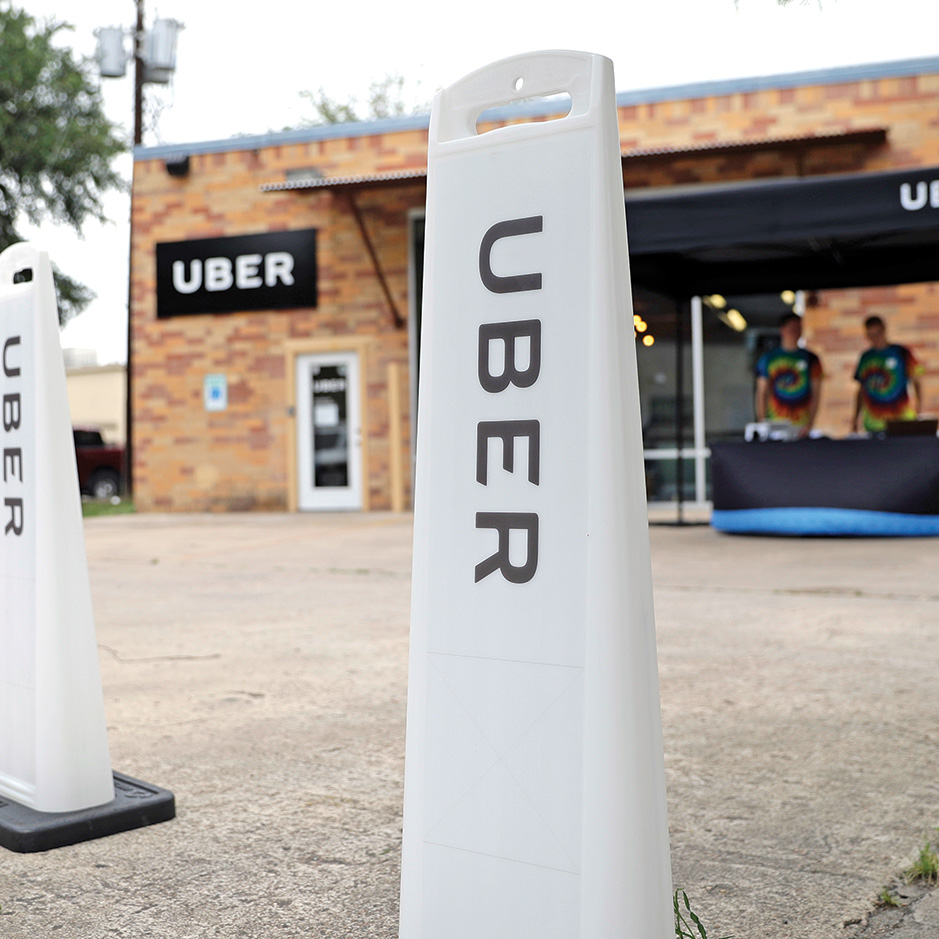
On May 29, Texas governor Greg Abbott signed a law creating a statewide regulatory framework governing ridesharing services. The impetus for the law was clear—overriding the city of Austin’s onerous ordinances that prompted the sector’s leaders, Uber and Lyft, to stop operating in the state capital last year.
In the few weeks since Uber and Lyft returned to Austin, the results speak for themselves. RideAustin, one of the more popular local ridesharing services that popped up when the big guns left, saw its ridership plummet 62 percent. “One element that we routinely hear, of course, is that we are more expensive than Uber/Lyft and this is the No. 1 criteria for many riders,” RideAustin noted in a Facebook post. “As a result, we are now going to match Uber/Lyft mile/minute pricing.” Another service, Fare, announced it was abandoning Austin altogether rather than try to compete.
Stay informed.Stay ahead.
Join Washington Examiner for unlimited access to the news, analysis, and commentary that matter most.
Already a member? Log in
