
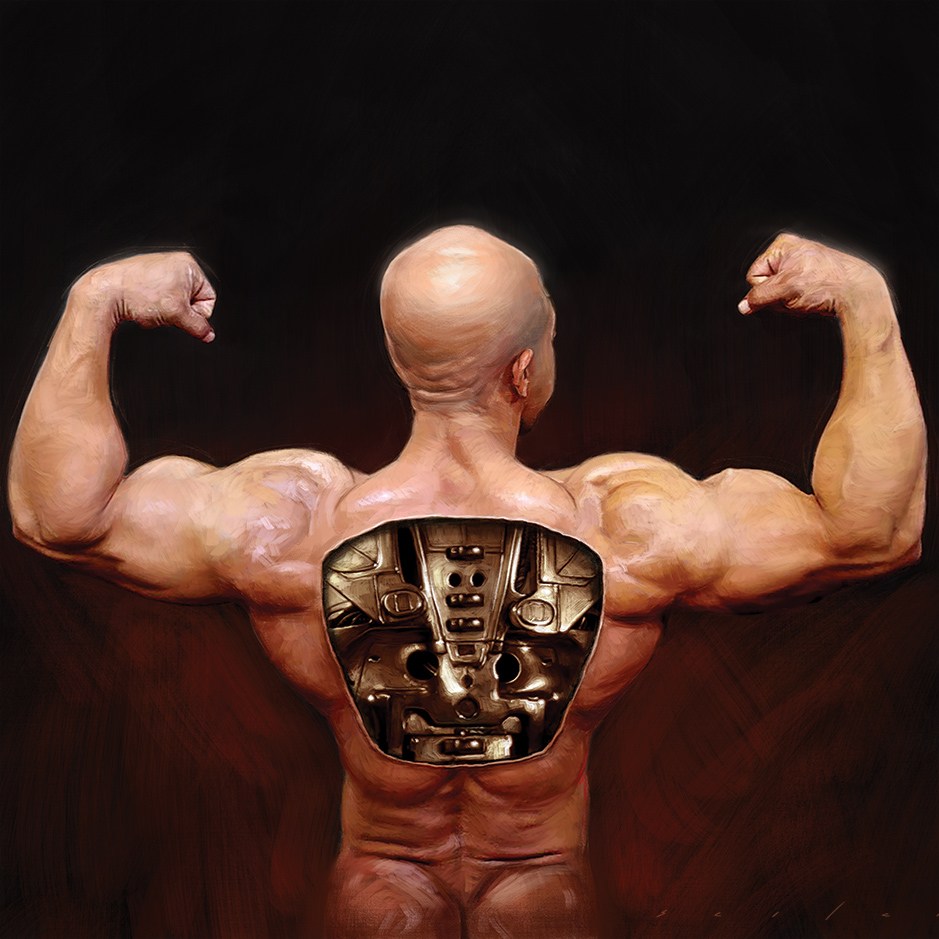
There are, broadly speaking, two kinds of futurology, the utopian and the apocalyptic. In Homo Deus, Yuval Noah Harari, like the Book of Revelation, offers a bit of both. And why not? The function of imaginary futures is to deliver us from banality. The present, like the past, may be a disappointing muddle, but the future had better be very good or very bad, or it won’t sell.
Harari, an Oxford-educated Israeli historian who teaches in Jerusalem, is the author of Sapiens (2015), a provocative, panoramic view of human evolution and history upward from apedom. It became an international bestseller, recommended by the likes of Mark Zuckerberg, Bill Gates, and Barack Obama. Harari’s style is breezy and accessible, sprinkled with allusions to pop culture and everyday life, but his perspective is coolly detached and almost Machiavellian in its unflinching realism about power, the role of elites, and the absence of justice in history. He is an unapologetic oracle of Darwin and data. And he is clearly a religious skeptic, but he practices a form of Buddhist meditation, and among the best things in his new book, like his previous one, are his observations on the varieties of religious experience.
Real journalism.Trusted by millions.
Unlimited access to in-depth reporting, expert analysis, and the stories that shape our country.
Already a member? Log in