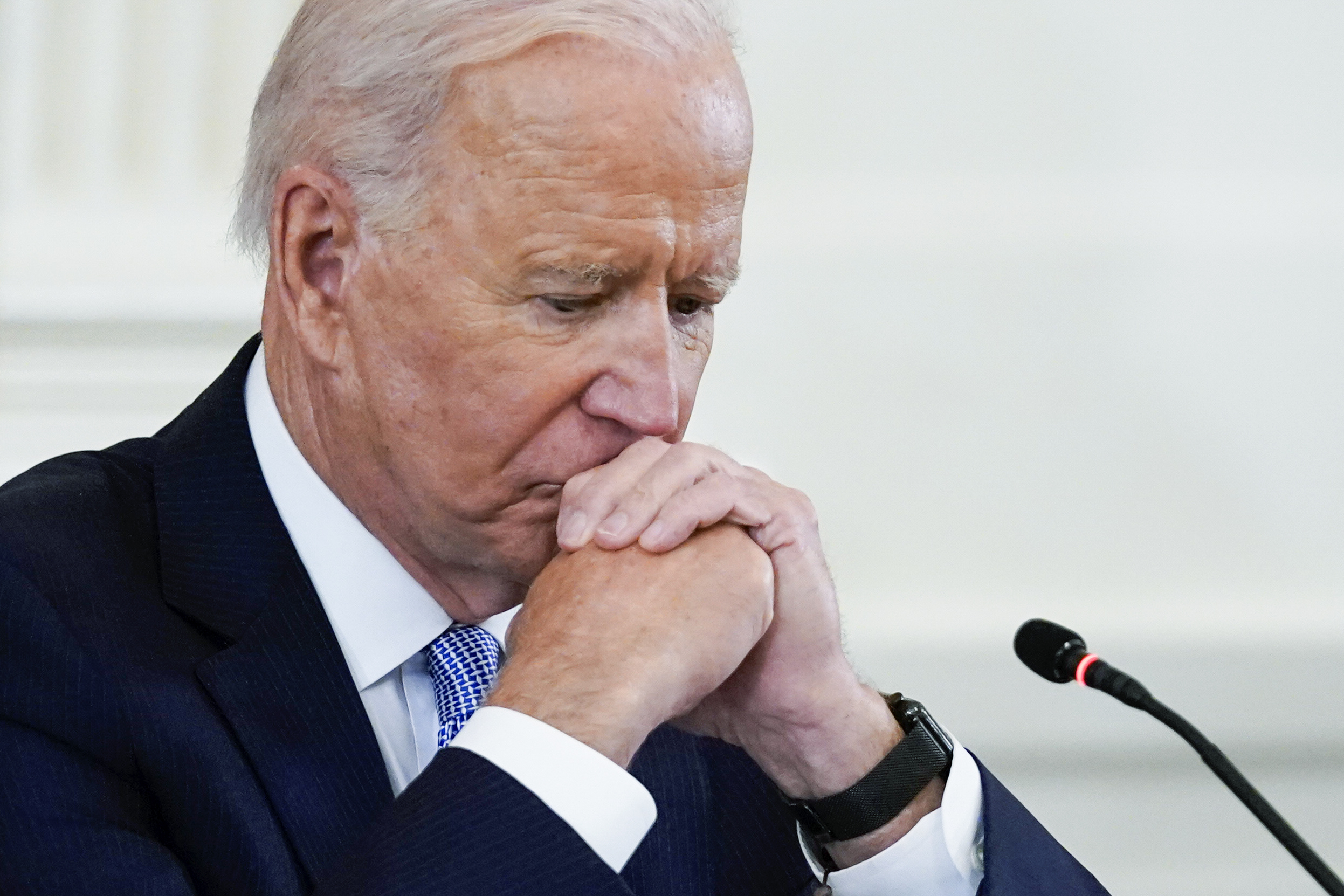
Biden’s pro-science pledge undermined by COVID booster episode

Published September 25, 2021 11:00am ET


President Joe Biden campaigned as the pro-science candidate, promising not to let politics impede his response to the COVID-19 pandemic.

But the White House’s plan to roll out vaccine booster shots has been tainted by the perception it was influenced by public pressure rather than scientific data.

INDEPENDENTS WANT ACTION FROM BIDEN ON IMMIGRATION

Centers of Disease Control and Prevention Director Rochelle Walensky’s decision this week to overrule an internal advisory board’s recommendation not to make people employed in high-risk workplaces eligible for booster shots was a borderline political decision, according to Republican-operative-turned-Claremont McKenna College politics professor John Pitney.

“The decision was a close call that involved not only science but administrative issues as well,” said Pitney, author of The Politics of Autism.

The boon for Biden is that, politically, “it seems unlikely that there will be much pushback against making the booster available to more people,” he added.

For Glen Nowak, director of the University of Georgia’s Center for Health and Risk Communication, it was “impossible” to know the role that science and politics played in Walensky’s decision. But the former CDC spokesman said it was within Walensky’s “purview” to act as she did, even if there may be confusion concerning the program’s goal.

“It’s sort of in the eyes of the beholder, right?” he told the Washington Examiner. “I think the administration would characterize that they’re being responsive, that they’re hearing the concerns of people like teachers, and they know that there’s much concern among hospital and healthcare workers and teachers and people in other occupations.”

Nowak added: “The flip side of that coin, though, is that people are going to accuse you of being too flexible and making decisions based on considerations other than science and other than the available data.”

Biden defeated former President Donald Trump last year partly because he pledged to manage the pandemic better and “get it under control.” But his eagerness to include booster shots in his arsenal of COVID-19 mitigation strategies has been problematic.

Biden’s approval ratings started sliding this summer as COVID-19 cases surged due to the more contagious delta variant. Then in August, the president and his coronavirus task force announced they were preparing to provide booster shots by Sept. 20, pending CDC and Food and Drug Administration approval. That approval came this week after protracted debate over whether immunity waned enough to make an extra dose of the vaccine necessary.

Walensky defended her decision to overrule the CDC internal panel on Friday, though she underscored the country cannot “boost our way out of this pandemic.”

“In an effort to protect those at greatest risk, our initial vaccine rollout prioritized these individuals,” she said during a virtual press briefing. “I must do what I can to preserve health across our nation.”

Biden boasted about his readiness on Friday, repeating from the White House State Dining Room that decisions regarding booster shot approval were delegated “to the scientists and the doctors.”

“While we waited and prepared, we brought enough — we bought enough booster shots, and states and pharmacies, doctor’s offices, and community health centers have been preparing to get shots in arms — booster shots in arms — for a while,” he said.

Biden’s approach may be paying dividends, as COVID-19 cases and his pandemic job approval polling appear to be stabilizing. An Ipsos poll conducted this week found half of respondents approved of his COVID-19 management, up from 48% last week but down from 54% in August.

Nowak warned the White House may have to overcome messaging hurdles of their own creation this week by telling recipients of the Moderna and Johnson & Johnson vaccines they did not require a booster shot — yet. Moderna is expected to be granted approval in a couple of weeks.

“People can question your motives. They can question your logic. They can introduce a lot of things that can hurt your credibility,” Nowak said.

The CDC’s Advisory Committee on Immunization Practices initially recommended a third shot of the Pfizer-BioNTech vaccine for older people, including those in nursing homes, and adults with underlying medical conditions who received their first doses at least six months ago. But Walensky extended eligibility to people in high-risk occupational and institutional settings, such as schools.

CLICK HERE TO READ MORE FROM THE WASHINGTON EXAMINER

But the fraught nature of the booster shot implementation is reflected in the early retirements of top FDA public health experts, Marion Gruber and Philip Krause. The pair reportedly tendered their resignations over frustrations with the launch. The FDA’s advisory counterpart did approve booster shots for older and immunocompromised people earlier this week.
