

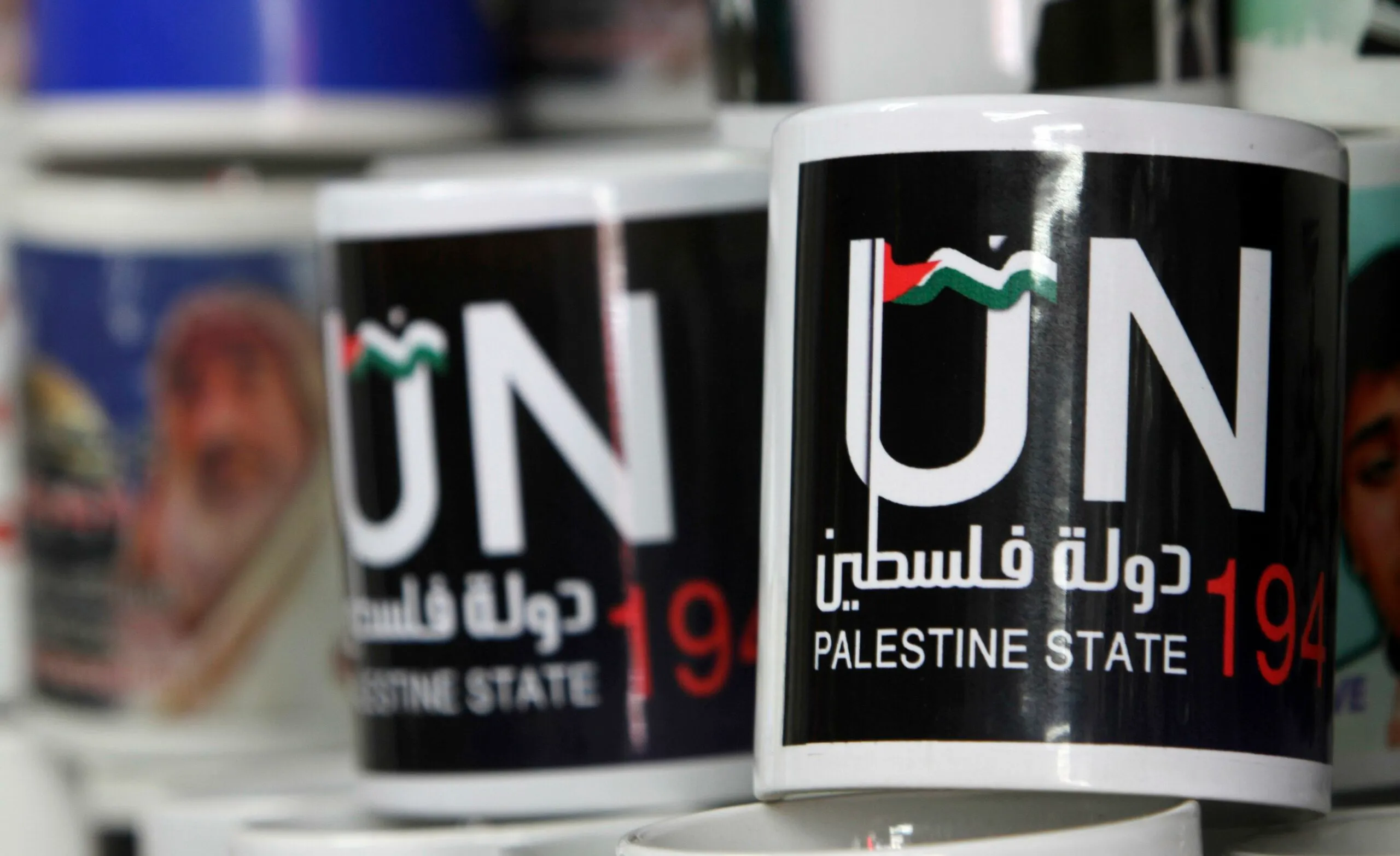
President Obama faces a major test of both U.S. influence and his personal stature in Middle East peace negotiations when the Palestinians this week push the United Nations to recognize an independent Palestinian state.
This week’s U.N. meeting in New York, which Obama will attend for three days starting Monday, took on a greater sense of urgency with the announcement from Palestinian President Mahmoud Abbas that he will use the summit to seek statehood status.
The move casts aside demands from the U.S. and Israel that such recognition be achieved though long-stalled peace talks.
Raising the stakes further for the White House, Obama’s standing in the American Jewish community, long a bedrock of Democratic support, has dwindled amid doubts about his commitment to Israel.
Some analysts said the White House could have better handled the run-up to the U.N. meeting, noting the fallout from a May speech in which Obama called on Israel to withdraw to its pre-1967 borders — giving up its occupation of East Jerusalem, the West Bank and the Gaza Strip.
“If Obama was going to give a tough-love speech to Israel, they needed to extract a quid pro quo from the European nations to do the same with Palestine,” said David Makovsky of the Washington Institute for Near East Policy. “The Europeans basically pocketed the Obama speech. That basically meant the summer was lost.”
However, Makovsky noted that Abbas would have made the same demands regardless of Obama’s actions and that it would be unfair to attribute the current predicament solely to America’s mishandling of the situation.
The White House disputes suggestions that Obama misplayed the delicate Middle East negotiations.
“What we’ve seen since President Obama took office is dramatic increases in the approval of U.S. leadership and the standing of the United States in many parts of the world,” said Ben Rhodes, Obama’s deputy national security adviser for strategic communications.
Administration officials said Obama would meet with Israel Prime Minister Benjamin Netanyahu outside of the U.N. meetings but has no plans to meet with Abbas.
With the United States assured of vetoing the U.N. Security Council vote, Palestine will likely seek “nonmember state” status from the General Assembly, where a majority of nations have indicated they would support the bid. Such designation would have little impact on conditions between Israel and Palestine but could carry significant leverage with the international community.
And Obama could face more perilous ramifications on the home front. In a recent special election in New York’s overwhelmingly Democratic and heavily Jewish 9th Congressional District, Republican Bob Turner scored an upset last week in part by deriding the president’s approach to Israel.
More than two-thirds of Jewish voters approved of Obama’s job performance before he called on Israel to withdraw to its pre-1967 borders. That support is now down to about 54 percent, polls showed. If that support continues to erode it could prove disastrous for Obama’s re-election chances next year in swing states like Florida.
As observers brace for confrontation in New York, Abbas claims that the ramifications of his request are being overblown.
“No one can isolate Israel. No one can delegitimize Israel. It is a recognized state,” he said. “We want to delegitimize the occupation, not the state of Israel. The occupation is the nightmare of our existence.”
