

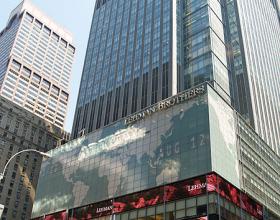
Tomorrow it will be five years since Lehman Brothers departed the financial world, and we can almost still hear the gnashing of teeth as then-treasury secretary Hank Paulson watched Richard Fuld, then-boss of Lehman Brothers, take his company into bankruptcy after British regulators refused to allow Barclays to acquire the failing firm. Paulson, who used taxpayer funds to finance a $29 billion dowry to facilitate the shot-gun wedding of Bear Stearns and JPMorgan Chase, claimed he lacked the legal authority to repeat that bail-out. The former Goldman Sachs boss, Fed chairman Ben Bernanke and then-treasury secretary Tim Geithner believed that the Bear deal prevented a financial implosion, while their critics contended, and still do, that the rescue of Bear exacerbated the subsequent collapse by persuading investors to continue pumping money into unsafe financial institutions, confident of a bail out should things go from bad to worse. Economists call that moral hazard.
When Lehman rattled its beggar’s bowl after catastrophically wrong-headed property investments brought it to the brink, the powers-that-be decided or were forced to (versions vary) let Lehman collapse. And learned that a firm didn’t have to be huge to bring down the system, it merely had to have tentacles that reach into every nook and cranny of the international system to cause a major disruption. Before the dust had settled, $700 billion had been committed to the rescue of troubled companies, about $428 billion of which was or will be disbursed.
Stay informed.Stay ahead.
Join Washington Examiner for unlimited access to the news, analysis, and commentary that matter most.
Already a member? Log in
