

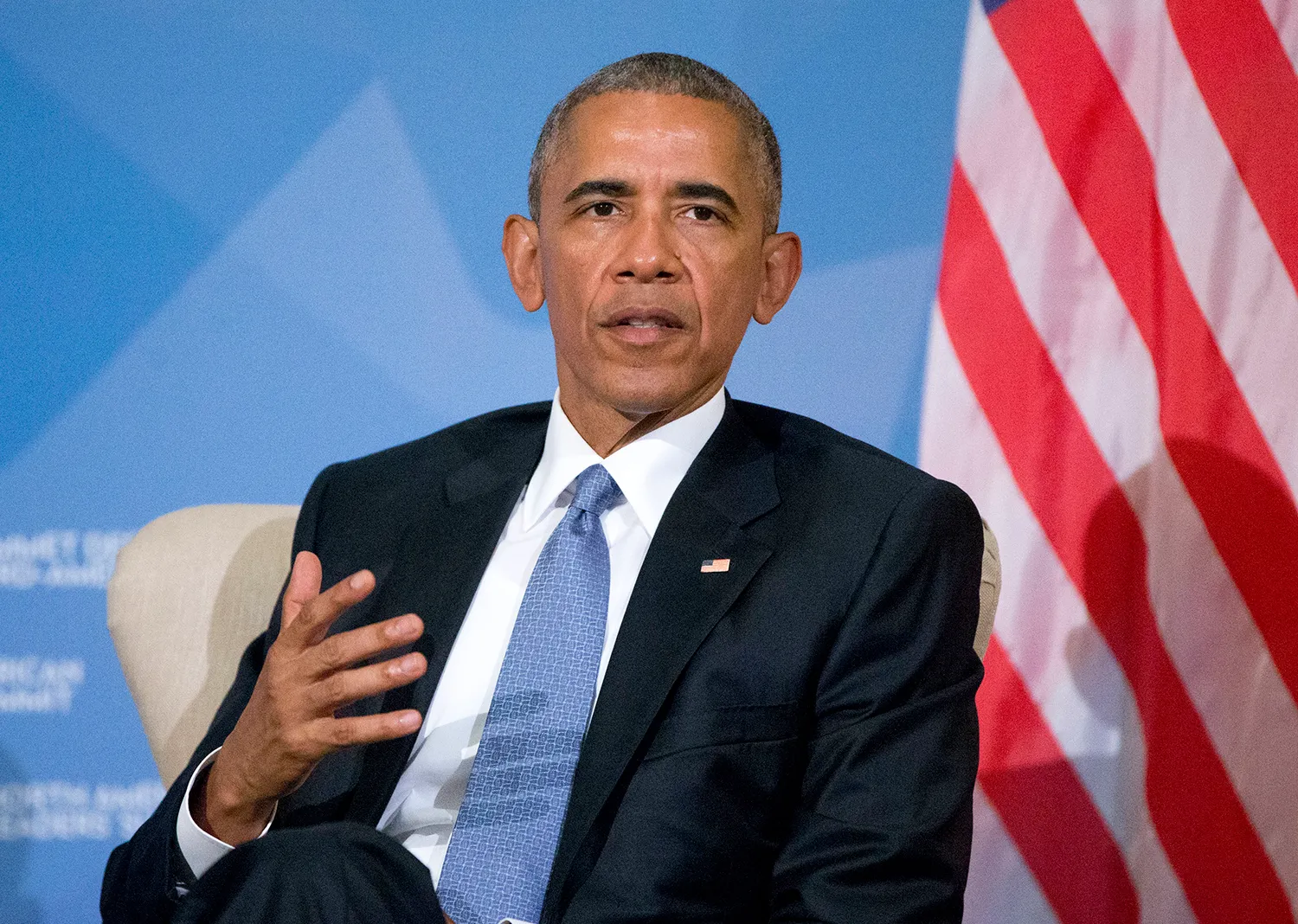
President Obama will discuss on Tuesday the progress he believes his administration has made combatting overseas terrorism and encourage his successor to develop a “sustainable” counterterrorism policy similar to his own.
In his final speech dedicated to national security, Obama will reflect on what he considers to be his strongest accomplishments in the corresponding arena. These include his work to improve transparency in government in relation to counterterrorism efforts and his approach to the wars in Iraq and Afghanistan, White House deputy national security adviser Ben Rhodes told reporters ahead of the president’s remarks.
Recommended Stories


“Tomorrow he will very sharply want to summarize the progress that has been made … and the core mission when he came into office of dismantling al Qaeda,” Rhodes said. “He’ll certainly talk about the ways in which the threat has evolved, [and] then he will review the progress of the counter-ISIL campaign.”
The speech, which Obama will deliver at MacDill Air Force base in Tampa, Fla., was planned long before he knew the outcome of last month’s election, Rhodes said. It comes just one week after a radicalized Muslim student at Ohio State University injured 11 of his peers when he attacked a crowd of pedestrians on campus with his car and a butcher’s knife, and months after an American-born man who pledged allegiance to the Islamic State gunned down 49 people at an Orlando nightclub in the deadliest domestic terror attack since Sept. 11, 2001.
“This has been the nature of the threat under [Obama’s] presidency,” Rhodes said of the rise in domestic radicalization and “lone-wolf” terror attacks. The president will discuss his efforts to push back against extremist content on the internet, work with communities “so there’s an effort to prevent young people from going down this path” and inform Americans about the “signs that lead to radicalization.”
Obama will highlight the “foundation that he has tried to build for the next administration,” while simultaneously defending his own approach to protecting American interests and enhancing national security, including his belief that the U.S. should remain open to forming bilateral assistance relationships to most effectively combat terrorism in certain regions of the world.
“We have a network of counter-terrorism partnerships from South Asia to Europe where we are going after terrorists, we’re taking direct action to dismantle terrorist networks, but we’re building relationships on the ground,” Rhodes said, adding that “that notion of sustainability is something we’ll hear [Obama] talk about and he’ll connect that to the other elements in how we deal with terrorism.”
The president is also expected to touch on the legal framework for war his administration has established, particularly as it relates to detaining and killing suspected terrorists. The White House released an extensive 66-page report on Monday that served as a preview of sorts for Obama’s speech and demonstrated how the president has ensured “that all U.S. national security operations are conducted within a legal and policy framework that is lawful, effective and consistent with our national interests and values,” according to White House counsel Neil Eggleston.
Whether Obama directly responds to President-elect Trump’s campaign trail critiques of his foreign policy and counter-terrorism strategy remains to be seen. The two men frequently sparred over Obama’s refugee resettlement program and his attitude toward radical Islamic extremism. Nevertheless, they have been in frequent contact since Trump’s initial visit to the White House last month and have both committed to ensuring a smooth transition of power.
Sarah Westwood contributed to this report.
