

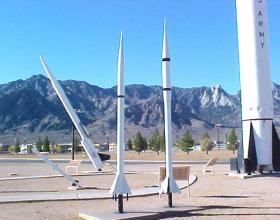
The THAAD (terminal high altitude area defense) interceptor has been maligned for years as a failed, overly expensive missile defense system. That’s mostly due to the missile’s volatile initial testing phases during the mid-1990s, when the program was wrought with failure after failure — not unusual for the testing cycle of any new weapon system, particularly one as sophisticated as THAAD. In early 2000, Lockheed engineers went back to the drawing board, worked out the bugs, and were back launching the hyper-accurate interceptor by 2005. There hasn’t been a test failure since (just yesterday there was another successful intercept), a record sturdy enough for the Army to stand up two batteries of the critical system in the past two years. The launchers were designed explicitly to intercept SCUD type missiles, and are also capable of killing an ICBM payload when it’s in the terminal phase of flight. Given the widespread proliferation of ballistic missiles, the need for such a weapon is pressing.
It’s a shame then, that President Obama could inadvertently ban the THAAD system through yet another constricting treaty — and I’m not talking about the START follow-on. Yesterday the New York Times reported that:
Stay informed.Stay ahead.
Join Washington Examiner for unlimited access to the news, analysis, and commentary that matter most.
Already a member? Log in
