

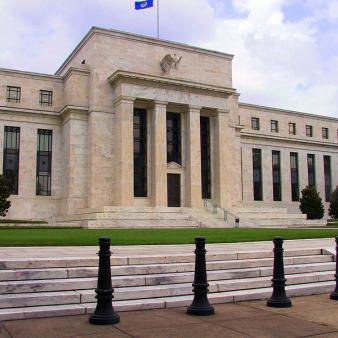
So all’s well. No more financial meltdowns. No more taxpayer bailouts of bonus-hunting, risk-taking bankers. The Federal Reserve Board’s regulators have decided that all 31 of the largest U.S. banks, including seven that are foreign-owned, would survive a severe recession with sufficient capital to continue lending and remain in business without a taxpayer bailout. The tests, devised by the Fed after the near-collapse of the financial system following the demise of Lehman Brothers in 2008, assume that the unemployment rate rises to 10%, share prices drop by almost 60%, house prices plummet 25%, loan losses clock in at $366 billion, and interest rates rise sharply. If that’s not stress, it is difficult to imagine what is.
It is also comforting to know that the plans of most banks to reward shareholders with dividends and share-buybacks were approved, although in some cases only after those plans were adjusted to meet the Fed’s requirements, and planning and risk measurement techniques were upgraded. This second set of more qualitative tests, the Comprehensive Capital Analysis and Review (CCAR), is the foot on the neck of bank CEOs, whose jobs depend on their ability to reward shareholders and keep them happy if possible and passive at worst. Only the U.S. units of Deutsche Bank and Santander had the pay-out plans of their American operating units flatly rejected because of deficiencies in their ability to model losses and risk.
Stay informed.Stay ahead.
Join Washington Examiner for unlimited access to the news, analysis, and commentary that matter most.
Already a member? Log in
