

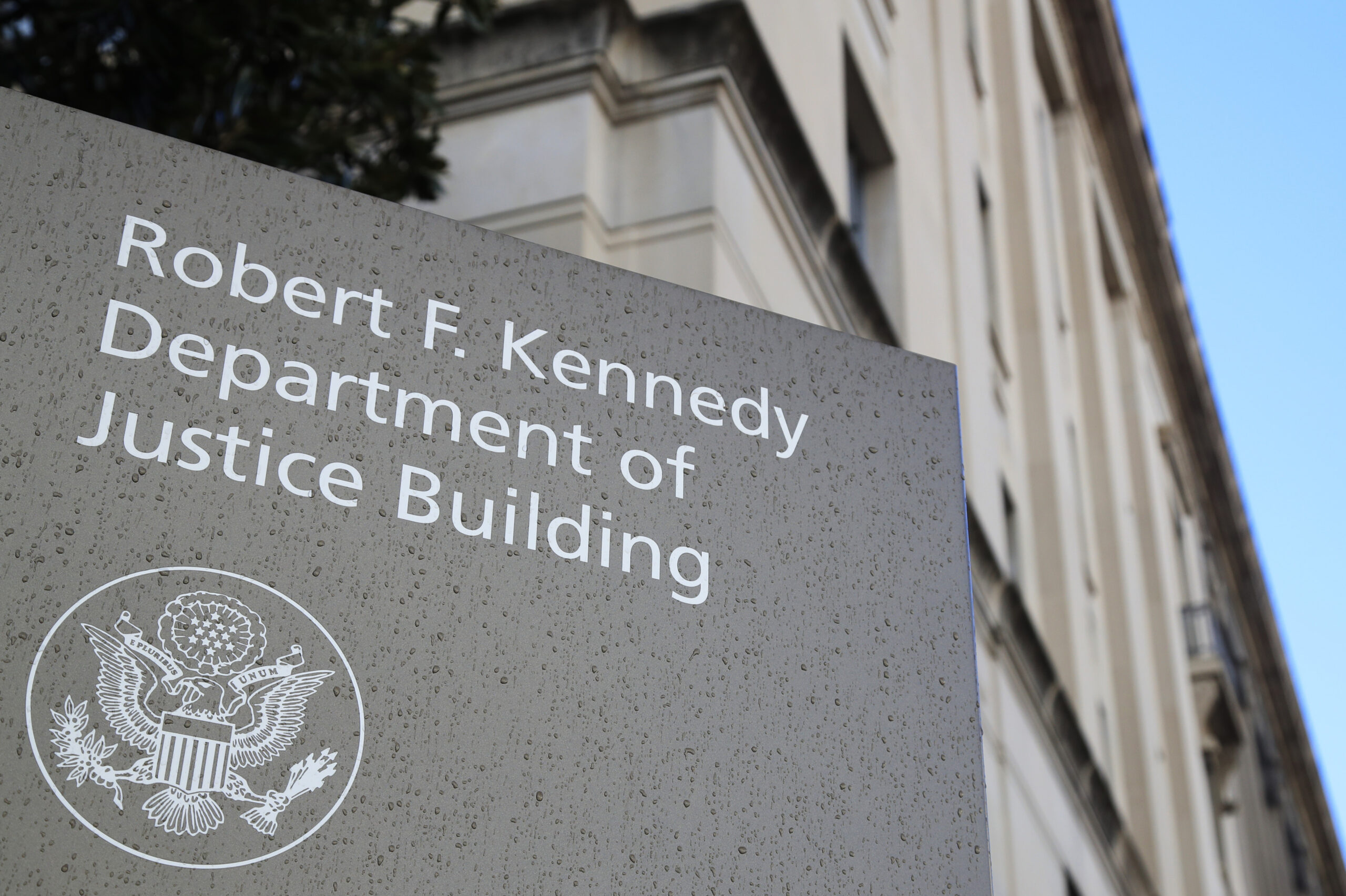
Live Nation, one of the world’s largest entertainment companies, settled Thursday with the Justice Department to avoid an antitrust lawsuit over its unpopular ticketing practices with Ticketmaster, the ticketing company it bought in 2010.
A 2010 settlement with the DOJ allowed the global concert promoter and massive concert ticketer to merge but prohibited LiveNation from bullying concert venues into using Ticketmaster or punishing them if they went with another ticketing company for 10 years. But despite these prohibitions, the Justice Department said the company “repeatedly and over the course of several years engaged in conduct that violated” the agreement with the government.
Recommended Stories


Dissatisfaction with Live Nation and Ticketmaster has risen along with ticket prices in recent years.
The Wall Street Journal reported last week that the DOJ was getting ready to take legal action against Live Nation for its attempts to coerce concert venues into using Ticketmaster, in violation of its 2010 agreement with the department’s antitrust division, and it appears Live Nation caved to the pressure. The DOJ agreed to extend its agreement with Live Nation to 2025 but added new requirements for the company.
“We have reached an agreement in principle with the Department of Justice to extend and clarify the consent decree,” Live Nation said in a short statement Thursday. “We believe this is the best outcome for our business, clients, and shareholders as we turn our focus to 2020 initiatives.”
The Justice Department’s press release touted the settlement as a win for American consumers and concertgoers and detailed new rules LiveNation and Ticketmaster would have to follow, including an automatic penalty of $1 million for each violation of the new terms.
The department said the promoter may not threaten to withhold concerts from a venue if it doesn’t choose Ticketmaster and that any such threat or withholding would be a violation of the agreement. And the DOJ’s antitrust division said it would be appointing an independent monitor to ensure Live Nation’s compliance and required Live Nation to appoint its own internal antitrust compliance officer to ensure all its employees were abiding by the rules. Live Nation is also required to pay for the costs of any DOJ investigations or enforcement actions.
“Today’s enforcement action including the addition of language on retaliation and conditioning will ensure that American consumers get the benefit of the bargain that the United States and Live Nation agreed to in 2010,” said Assistant Attorney General Makan Delrahim of DOJ’s antitrust division, adding that Live Nation and Ticketmaster “will be held to their promises” and that the department “will not tolerate transgressions that hurt the American consumer.”
When defending the DOJ’s initial decision to allow Live Nation and Ticketmaster to merge, Christine Varney, who held the same job as Delrahim during the Obama administration, told attendees at South by Southwest in Austin, Texas, that “our decision to accept the settlement agreement reflected our effort to secure the best outcome possible given the facts and circumstances of the case before us.”
“Live music is as old as humanity itself, and any Austin resident can attest to the incredible welfare it spreads when it is in affordable and plentiful supply,” Varney said. “We were prepared to go to court to protect concertgoers and the venues that serve them from undue concentration in primary ticketing, and we entered into a settlement only because we believe it is the best avenue to preserve and promote competition in the live music business.
