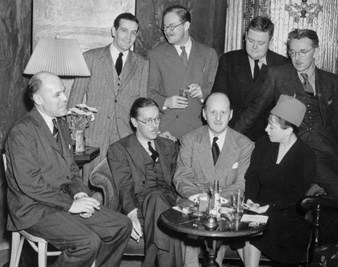
In the introduction to A Subtreasury of American Humor, published in 1941, E. B. White told of the various disappointments and disillusionments he and his wife had encountered in gathering the pieces that would make up the anthology. They had hoped to include a section of “newspaper humor” and canvassed friends and colleagues for suggestions. “We collected them, all right, and some of them were funny,” White wrote, but “old newspaper stories have an odor all their own. . . . After you find them, you wish you hadn’t.”
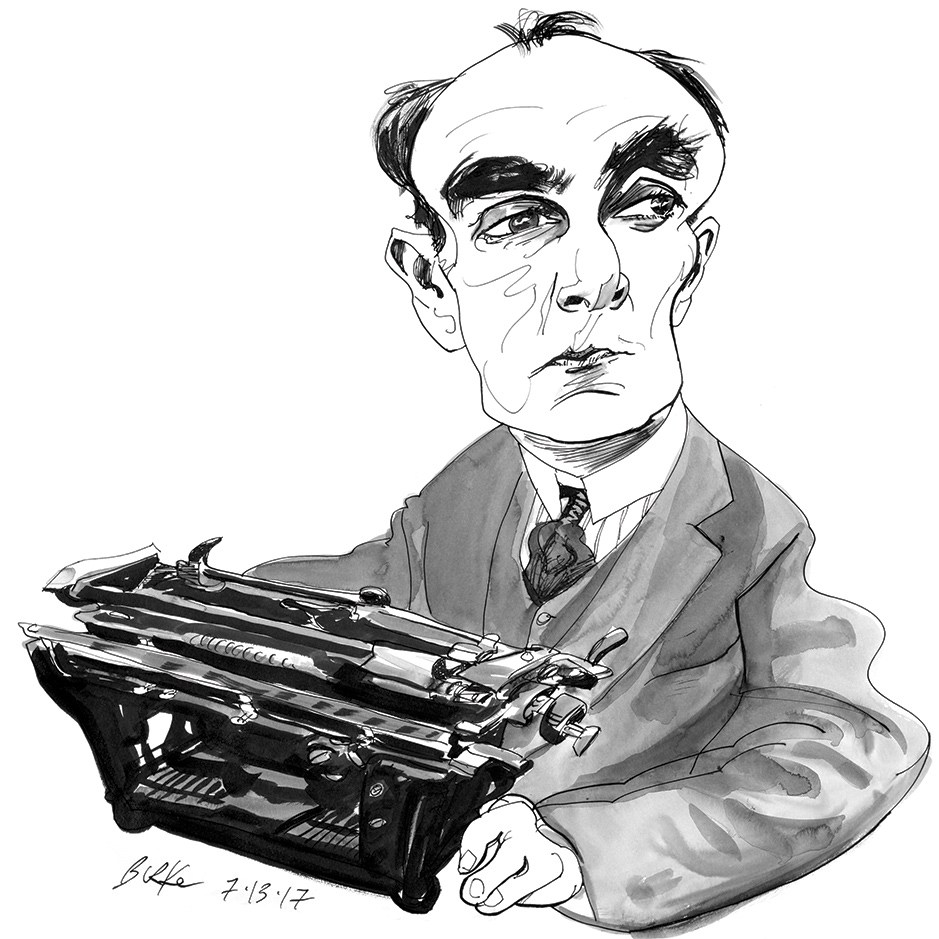
All readers know the disappointment of returning years later to some fondly remembered piece of writing and finding it withered with age. When I came upon this new collection from the University of Nebraska Press, The Lost Journalism of Ring Lardner, I braced myself for the familiar disappointment. Lardner started writing for newspaper sports pages before he was 20, and he kept it up, off and on, until his death in 1933. By then he was one of the most famous writers in America; his best-known book, an epistolary novel called You Know Me Al, has never been out of print (and is now available for free all over the web). He published his fiction in only the most popular and highest-paying magazines. For generations, “Champion,” “The Golden Honeymoon,” “Haircut,” “I Can’t Breathe,” and several others stood as classics that every American high schooler was supposed to pretend to have read. His short stories revealed him, unexpectedly, to be an artist of very high rank, and he was certified as such by F. Scott Fitzgerald on this side of the Atlantic and by Virginia Woolf on the other. “Mr. Lardner has talents of a remarkable order,” Woolf wrote. “He writes the best [American] prose that has come our way.”