

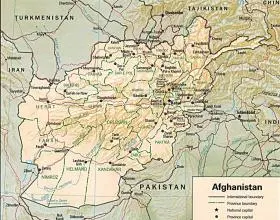
With the announcement in Kabul of a power-sharing government between the two presidential candidates, Ashraf Ghani and Abdullah Abdullah, the Afghan election comes closer to a resolution. What is missing, however, is an actual result. The “national unity government” was one part of a deal brokered by U.S. Secretary of State John Kerry back in July, when preliminary official results gave Ghani a massive victory, and Abdullah threatened to pull out of the process, claiming massive fraud had taken place. After two months of an audit overseen by the UN, when every ballot box was re-examined—something unprecedented in electoral history—a final result was reached. The result was given last week in secret to the candidates, but not to the public.
This is a pity. Millions of people voted in both rounds of the presidential election, on April 5 and June 14. The pre-election campaign rallies were attended by tens of thousands of people. As post-election press accounts revealed, they voted consciously and in favor of the current constitutional and democratic system. In many places, voters seemed to defy local power brokers and vote for the candidate they wanted. It seemed that for the first time the Afghan voter was emerging as an independent actor.
Stay informed.Stay ahead.
Join Washington Examiner for unlimited access to the news, analysis, and commentary that matter most.
Already a member? Log in
