
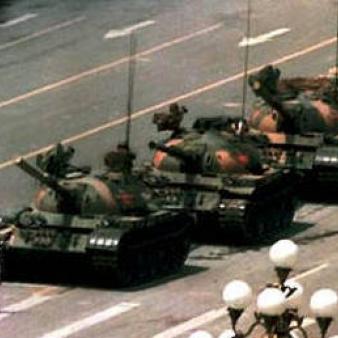
June 4, 1989, was the day China took a huge step backward, a generation of Chinese people lost the chance for democracy, and Deng Xiaoping forfeited an opportunity to share the Nobel Peace Prize with the Dalai Lama.
Deng’s remarkable economic reforms in the early 1980s—after Mao Zedong’s calamitous Great Leap Forward and Cultural Revolution—raised hopes in China and the West that political reform would not lag far behind. That was how South Korea and Taiwan moved from authoritarianism to democracy. Their common experience exploded the myth, perpetuated by Asian dictators and accepted by many in the West, that political freedom and Confucian traditions are somehow incompatible.
Real journalism.Trusted by millions.
Unlimited access to in-depth reporting, expert analysis, and the stories that shape our country.
Already a member? Log in