

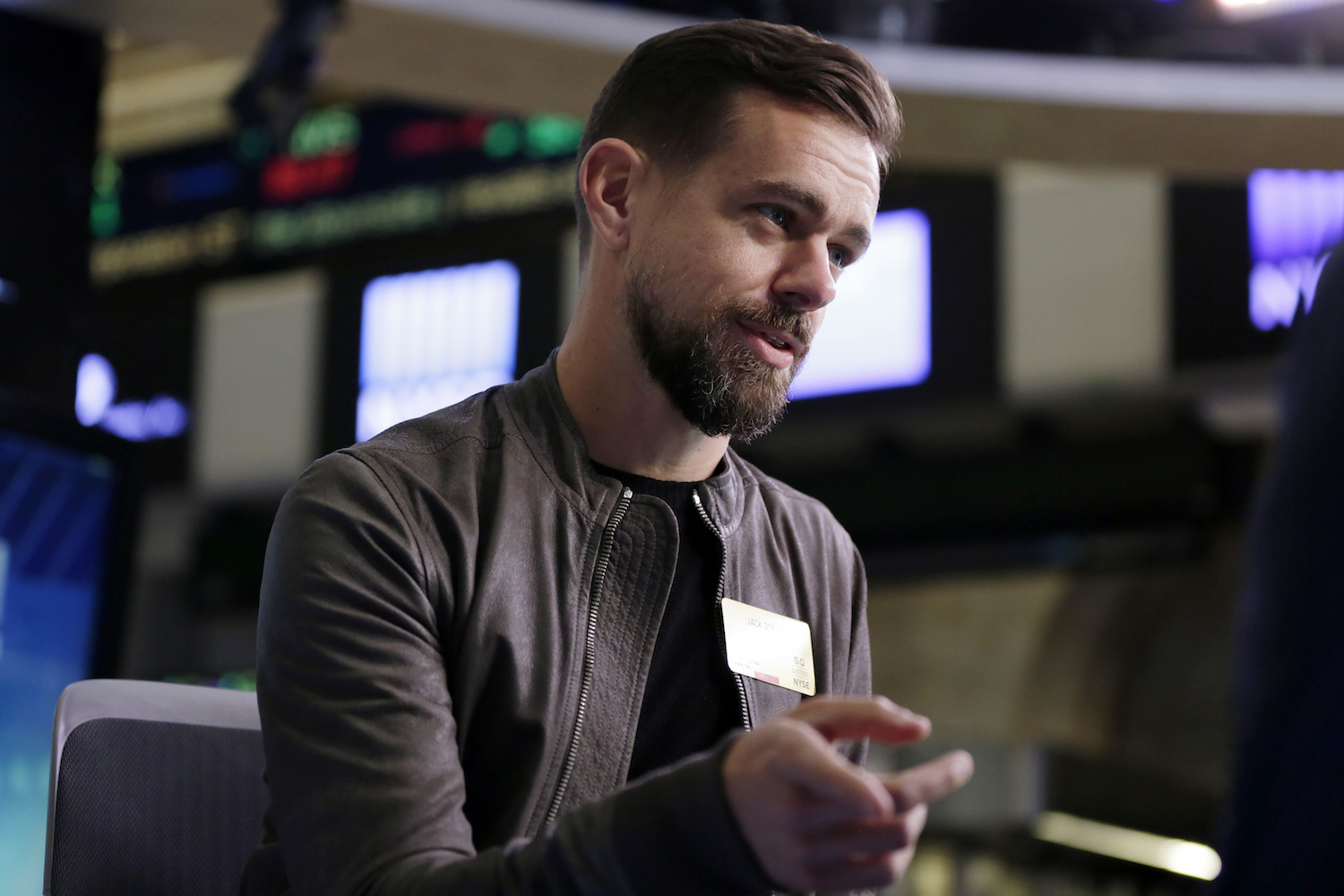
Twitter CEO Jack Dorsey admitted Wednesday that his social media platform’s rank-based timeline and search functions were still a work in progress after he faced a backlash last week from several high-profile Republicans, including President Trump, over conservative content being deprioritized or “shadow banned.”
“It’s not always going to be right. We’re going to get better and better over time,” Dorsey said during an interview with Fox News Radio’s “Benson & Harf,” referring to Twitter’s technological innovations and application updates.
Recommended Stories


“We weren’t looking at the particular content, but we were looking at clusters of behavior that might be, that might have surrounded the account in the past,” he continued, avoiding the term “shadow banning” in his responses. “The net of this is we need to do a much better job at explaining how our algorithms work.”
“Shadow banning” is where the visibility of a user and their content is limited and the user may not be aware that their profile has been affected. For example, Reps. Mark Meadows, R-N.C., Jim Jordan, R-Ohio, and Matt Gaetz, R-Fla., as well as Republican National Committee Chairwoman Ronna McDaniel, all failed to appear in Twitter’s autofill search box when reporters from Vice News tried to type their names in July.
[Opinion: Don’t call for Twitter bans, Kevin McCarthy]
Twitter, however, has repeatedly asserted it does not intentionally censor material.
President Trump vowed last Thursday that his administration would investigate any claims “shadow banning” on Twitter as it was a “discriminatory and illegal practice” disadvantaging Republicans. Rep. Devin Nunes, R-Calif., on Sunday said he would look into the possibility of taking legal action against Twitter given he had also been affected by the problem.
Dorsey said that he was aware of the dangers of producing an online opinion echo-chamber where people with different views do not feel comfortable sharing their thoughts. He added that he was even cognizant of that troublesome environment being created in his own company.
“It’s not acceptable for us to create a culture like that, especially when we’re creating a service where we are trying to enable to hear from every perspective, to try to bring people together across the spectrum, to look for different ideologies, and encourage them to talk because we think that debate, that critical thinking, the critical questioning is viable and important,” he said. “I am not stating that we know exactly how to do that today, but we are resolute and committed to figuring it out.”
