The United States Postal Service is “at the brink of default” and turned to Congress on Tuesday seeking billions in funding and legislation to help it restructure to remain in business.
Facing a $10 billion loss in revenue this year, the Postal Service could be forced to shut down by August 2012 if drastic steps are not immediately taken to save it, USPS officials said.
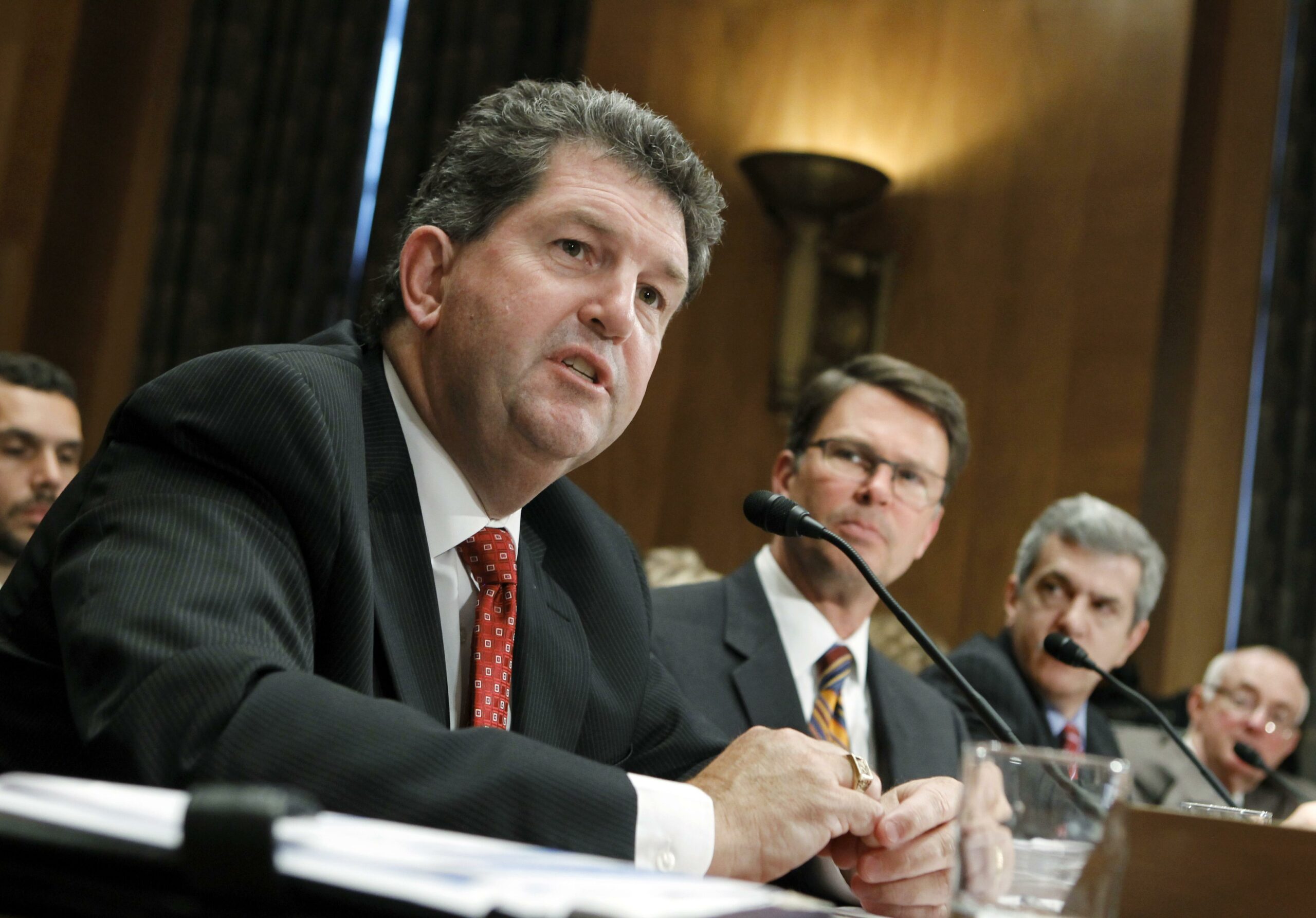
“We will be out of cash to pay employees and pay contractors,” Postmaster General Patrick Donahoe warned lawmakers at the hearing conducted by the Senate committee that oversees homeland security and government operations.
Donahoe devised a radical plan to turn around the beleaguered agency that includes cutting more than 100,000 jobs, closing hundreds of post offices and eliminating Saturday delivery. Those steps would save billions of dollars, but would take several years to implement, he said.
In order to stay solvent beyond next year, Donahoe asked lawmakers for permission to delay by three months a $5.5 billion payment the service must pay to its employees’ pension fund.
Congress must act by Sept. 30, the end of the current budget year, Donahoe said.
“Congressional action is needed immediately to avoid this default,” Donahoe said. “The Postal Service requires radical changes to its business model if it is to remain viable into the future.”
The post office’s business and revenue shrank drastically in recent years because of competition from FedEx and UPS. Its first-class mail delivery shrank dramatically as more people pay bills and conduct other transactions online.
And it will only get worse, officials said.
The Postal Service delivered 78 billion pieces of mail last year, but that number is expected to drop by half to 39 billion by 2020.
“The stark reality is that USPS’s business model is broken,” said Phillip Herr, a Government Accountability Office official who testified at the hearing. “The decline in mail volumes is continuing. The gap between revenues and expenses is growing. USPS cannot continue providing services at current levels without dramatic changes in its cost structure. Difficult choices must be made.”
Sen. Tom Coburn, R-Okla, said the post office needs to take steps even more drastic than Donahoe proposed.
“The technological changes are coming, and unless we anticipate them we are going to be here six years from now doing the same thing,” Coburn said. “The realization is first-class mail is going away. This is going to be a short-term fix.”
Post office officials are also insisting that the federal government owes them $55 billion in “overpayment” to the retirement system through the years, but even committee Chairman Joe Lieberman, I-Conn., questioned how Congress could give the agency $55 billion without it being viewed as another bailout.
Finding agreement on how to move forward will be difficult, even within the two parties.
Sen. Susan Collins of Maine, the top Republican on the panel, questioned why the Obama administration hasn’t produced a plan to keep the Postal Service afloat.
She also questioned the plan to close hundreds of post offices, many of them in rural areas.
“In some communities, closing the post office would leave customers without feasible alternatives and access to postal services,” Collins said. “That would violate the universal service mandate that is the justification for the Postal Service’s monopoly on the delivery of first-class mail.”
