

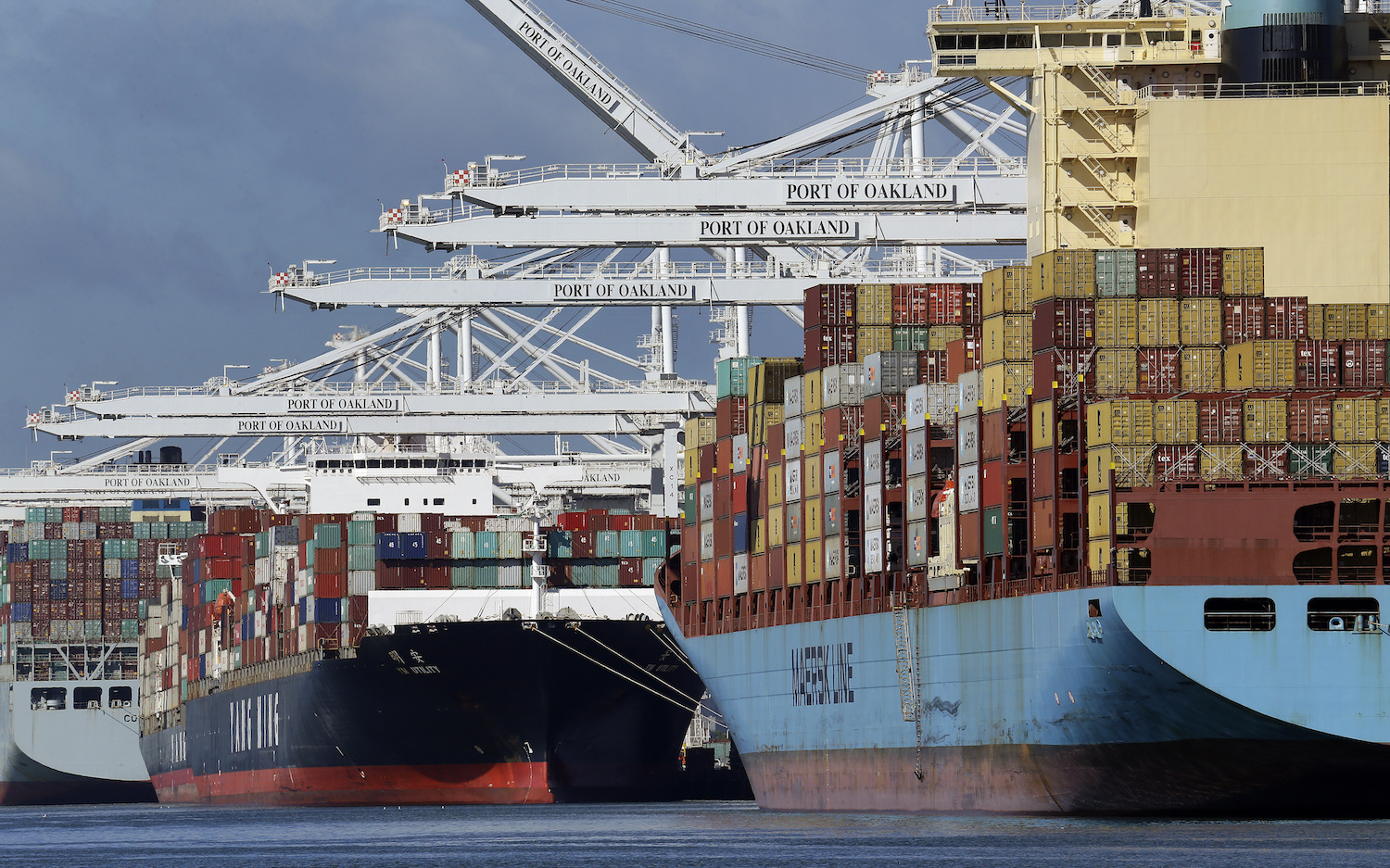
An import tax is a “critical” part of tax reform, top CEOs told congressional leaders Tuesday as they try to gin up support for the House Republican effort to overhaul the tax code.
The heads of Boeing, Caterpillar, Dow Chemical, General Electric and 12 other companies sent a letter to House Speaker Paul Ryan, R-Wis., and other congressional leaders advocating tax reform and saying that “a critical element of the House blueprint is the provision that ensures goods and services produced abroad face the same tax burden as those produced in the United States.”
Recommended Stories



That language is an endorsement of the border-adjustment provision in the House Republican plan, which has drawn opposition from several industries and interest groups and clouded the progress of the tax reform effort.
Last week, several members of the Senate expressed doubts about the border adjustment, highlighting that it cannot survive without strong business support.
House Republicans have proposed taxing imports as part of a broader corporate rate-cutting reform that would tax goods based on where they are sold. In the plan, companies would no longer be allowed to deduct the cost of imported goods and services, but would no longer pay any taxes on revenues from exports. In today’s system, U.S. companies are taxed on all profits, whether they are earned in the U.S. or abroad. Republicans say that the change would encourage more manufacturing within the U.S., and discourage companies from moving production overseas.
The House GOP reform “would be a tremendous win,” said Tony Simmons, CEO of the McIlhenny Co. that produces Tabasco, speaking with reporters Tuesday morning.
Simmons responded directly to the charge, levied by opponents of the idea, that the border adjustment would amount to an import tax that would raise the price of consumer goods.
“I don’t think this would have any impact on the price of Tabasco in the United States,” Simmons said, noting that by exempting exports from taxation, the reform would benefit his company’s efforts to sell overseas.
The dollar would adjust the border adjustment, according to its proponents, offsetting the tax hit to importers by raising their purchasing power. Furthermore, the cuts in tax rates would help companies, according to Simmons, who said that his company’s effective rate would drop by nearly 20 percentage points.
