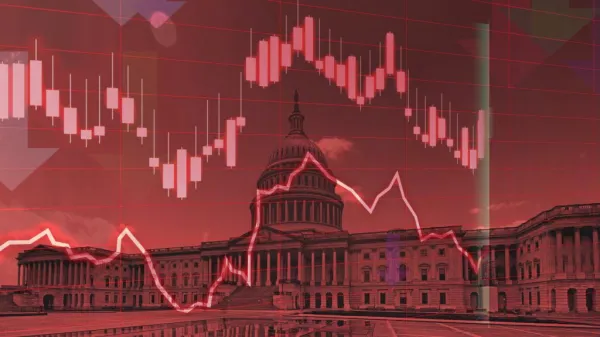
“WHAT IS TO BE DONE?”, asked Lenin in 1902. He couldn’t have been thinking of capitalism’s problems circa 2008, but he was asking a question that is on the lips of America’s policymakers as the U.S. economy slows. Indeed, more than slows if economists at Goldman Sachs, Morgan Stanley, and Merrill Lynch are to be believed. Economists at those august institutions agree that the United States is tipping into recession. Indeed, like 60 percent of Americans, Merrill Lynch’s economy-watchers believe a recession has already started.
The answers to Lenin’s question, like sorrows, come not single spies, but in battalions. Wall Street wants the Federal Reserve’s monetary policy committee to cut interest rates, now and not by a measly quarter point. Last week, Chairman Ben Bernanke signaled a change in position: he is now prepared to give the baying investment bankers what they want. Food and energy prices (corn up 122 percent and energy 77 percent last year) might be driving the inflation rate a bit above the Fed’s comfort zone, but that is nowhere near as terrifying as the prospect of a major, protracted recession. At least, from Bernanke’s point of view: others warn that it was just such a reaction to past downturns that created the too-easy-credit that led to the problem we now face in financial markets