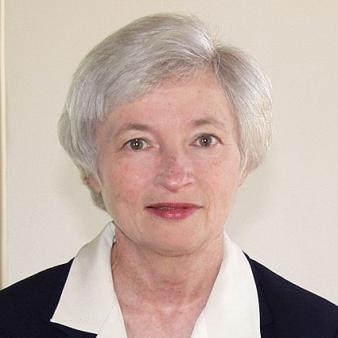
The U.S. economy is chugging along. Not at high speed, but at a steady 2.25 percent annual rate, with retailers stocking up in anticipation of a very merry holiday season. The unemployment rate is down to 5.1 percent, according to the Federal Reserve Board headed lower to its “long-run normal” rate, and employers in many sectors are scrambling to find workers with the skills they need. Cars are moving off dealers’ lots and the housing industry is, if not booming, recovering its mojo, whatever that modern phrase means. Inflation is tame, but its failure to rise is due primarily to factors that Federal Reserve Board Chairwoman Janet Yellen told the press after the Fed’s monetary policy gurus met in solemn conclave are “transitory … will fade over time,”. So, with the economy “notably stronger” than when the bank’s economists last looked, “performing well [and] expect[ed] to continue to do so”; the jobs market more or less at full employment as traditionally measured; and inflation likely to increase once the decline in oil and import prices runs their course, the Board chairwoman announced on Thursday that she was ending close to a decade of zero interest rates and that the Fed would raise rates by 0.25 percent. Except she didn’t.
So St. Augustine’s monetary policy remains in effect. Yellen would be made chaste, but not yet. And for a new reason. She might well have said that the Fed is not prepared to raise rates just yet because inflation is too far below the bank’s 2 percent-increase target. She might have said that the Fed is staying its hand because although the unemployment rate is low, too many workers remain on the sidelines of the job market or are involuntarily working short hours. Period. She did indeed cite both those things. Plus a new criterion that must be met before the period of chastity ends. It seems world markets are volatile. “The outlook abroad appears to have become more uncertain of late, and heightened concerns about growth in China and other emerging market economies have led to notable volatility in financial markets.”