
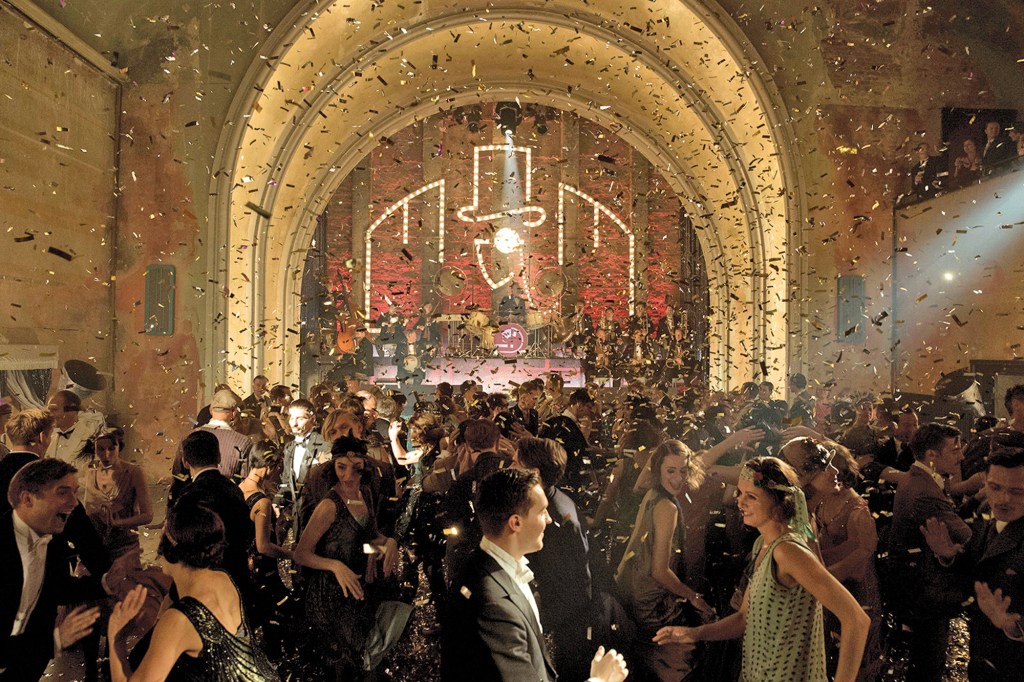
‘Germany, be on your guard! The spirit of Berlin is a demon.” So warned the reactionary Swabian author Ludwig Finckh in the fateful year of 1919. Finckh was among the many Germans who were from the outset implacably hostile to the Weimar experiment in liberal democracy and bitter toward the social democrats for the purported “stab in the back” that had killed their beautiful Reich. To Finckh, there was no city for which the historical trajectory was more concerning or tragic than Berlin. Once the mighty Prussian capital and heart of a continental power, the city would become the epitome of interwar cosmopolitanism, a hotbed of radical left-wing agitation, home to the latest consumer trends from Paris and Vienna, and even—Gott, steh uns bei!—jazz music.
Finckh may just have been one in the long line of cranky German conservatives unequipped for the fast life of a modern European capital, but his writing is illustrative of some of the widespread resentment in response to the rapid social change and inequality of the Weimar era. This period began with a democratic revolution against the kaiser at the end of World War I, a revolution that many leading generals conveniently permitted so as to avoid facing blame for Germany’s impending defeat. The catastrophic inflation of the immediate postwar era famously saw families paying for necessities with wheelbarrows of paper currency. After economic stabilization measures were implemented in 1923, Germany enjoyed a few brief years of prosperity—albeit with persistent inequality—during the Goldene Zwanziger or “Golden Twenties,” only to once again fall into depression after the Wall Street crash of 1929. During this time, democracy failed—or rather, it succeeded while liberalism died a quick death—and the Nazis made unimaginable gains in the 1932 elections before Hitler took the chancellery the following year.
Real journalism.Trusted by millions.
Unlimited access to in-depth reporting, expert analysis, and the stories that shape our country.
Already a member? Log in