

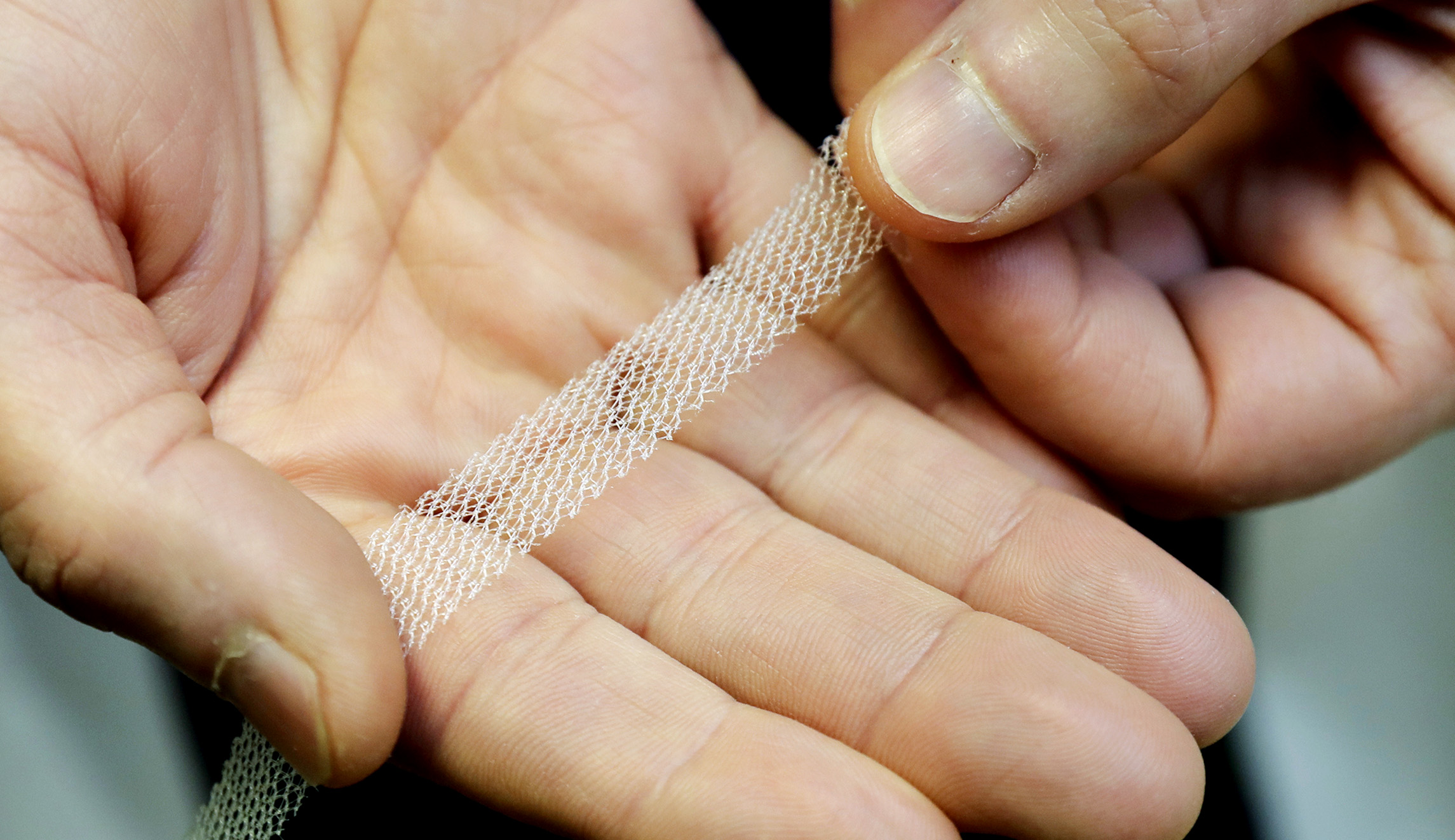
The Food and Drug Administration on Tuesday took the unusual step of ordering manufacturers to immediately stop selling surgical mesh used for transvaginal repair because it has caused infection, bleeding, and pain during sex.
Surgeons use the mesh to give support to tissue that has become weak. The FDA said it could no longer be used to treat pelvic organ prolapse, a condition in which a woman’s organs begin to fall toward the vagina and bulge outside the body.
Recommended Stories


Boston Scientific and Coloplast, the companies that sell the mesh, have 10 days to tell the FDA how they plan to take their product off the market.
The FDA previously issued a warning about the risks of using mesh because of reports of infection and bleeding and that women’s organs were tearing. The mesh also starts to erode over time and starts falling out of the body, which requires more surgery. Since that time, surgeries to treat prolapse with mesh have fallen.
“We couldn’t assure women that these devices were safe and effective long term,” Dr. Jeffrey Shuren, director of the FDA’s Center for Devices and Radiological Health, said in a statement.
Mesh used in prolapse was reclassified in 2016, which means that manufacturers had to submit their products for review by federal regulators to be allowed to stay on the market.
The FDA ultimately determined that the companies hadn’t shown that the mesh was safe or effective after scrutinizing the products and holding meetings about them over the course of roughly eight years. More than 100,000 lawsuits have been filed against manufacturers for mesh side effects, and other countries such as Australia have banned it. Roughly 200,000 women in the U.S. have surgery every year to treat prolapse.
The FDA recommended that women who have already had surgery to place the mesh in their pelvic areas should continue to have routine checkups with their doctors but that they shouldn’t be concerned unless they have symptoms such as pain during sex or vaginal bleeding.
