

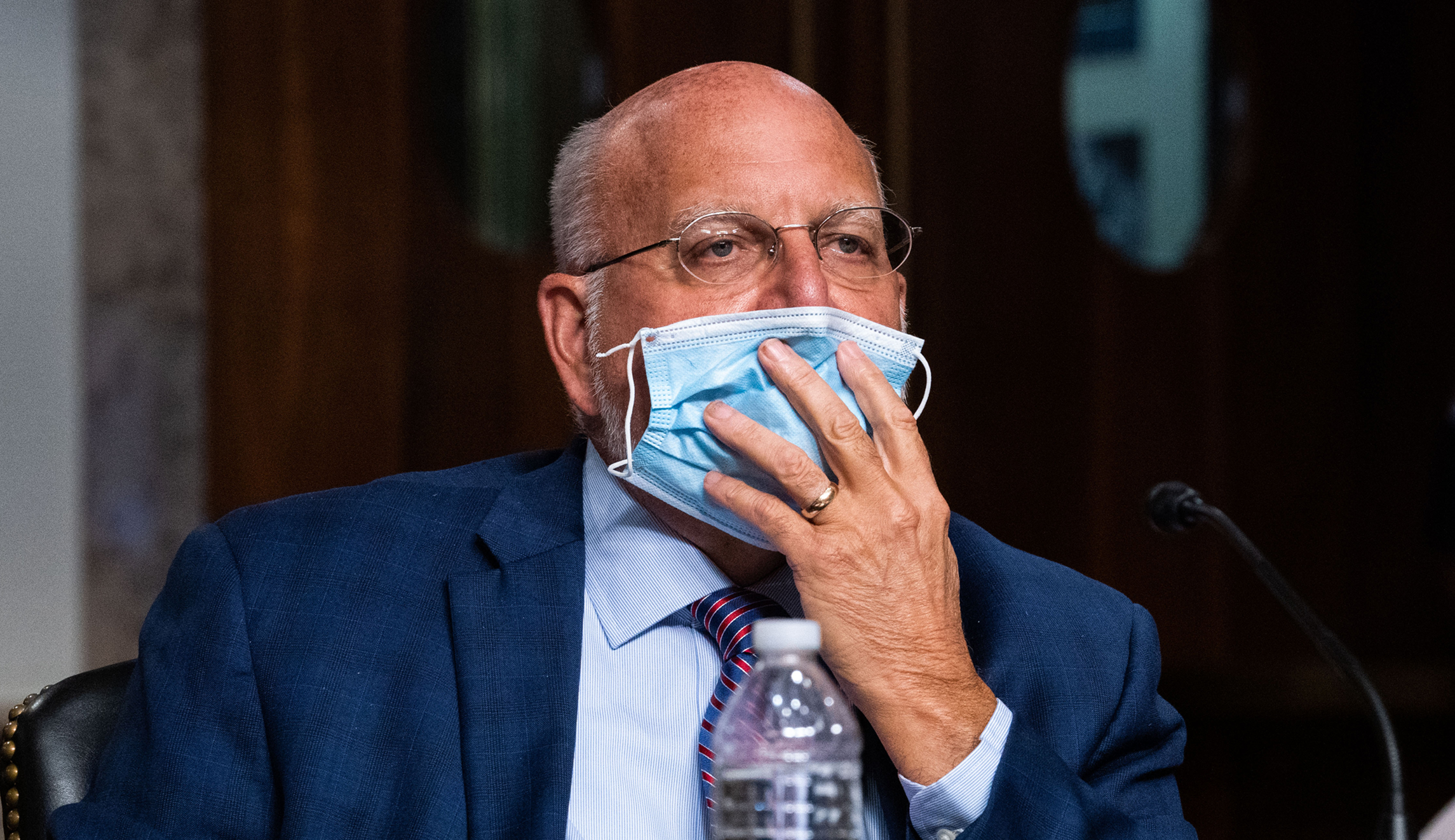
The Centers for Disease Control and Prevention now advises people who have been exposed to the coronavirus but do not have symptoms to get tested, reversing a controversial policy set last month that recommended against such testing.
“Due to the significance of asymptomatic and pre-symptomatic transmission, this guidance further reinforces the need to test asymptomatic persons, including close contacts of a person with documented SARS-CoV-2 infection,” the CDC guidance said as of Friday.
Recommended Stories


After the CDC changed its testing guidance on Aug. 24 to say that asymptomatic people “do not necessarily need a test” even if they were exposed, the Trump administration fought back against accusations that the policy was meant to limit access to coronavirus tests. The move was criticized by outside public health experts as an instance of politics overtaking science, as President Trump has argued that less testing would mean fewer cases.
Just one day following the update and subsequent criticism from health experts, CDC Director Robert Redfield told the Washington Examiner in a written statement that “testing may be considered for all close contacts of confirmed or probable COVID-19 patients.” The written guidance on the CDC website, however, did not change.
On Thursday, it was revealed that CDC scientists did not write last month’s testing guidelines and that the document did not go through the normal vetting process, which includes fact-checking and several back-and-forths for scientific review, according to the New York Times.
“A heavily criticized recommendation from the Centers for Disease Control and Prevention last month about who should be tested for the coronavirus was not written by CDC scientists and was posted to the agency’s website despite their serious objections,” according to a report published on Thursday by the New York Times.
Adm. Brett Giroir, the Trump administration’s testing coordinator and an assistant secretary at the Department of Health and Human Services, told the New York Times that the draft went through about 20 versions over the course of a month and included comments from Redfield, top infectious disease expert Dr. Anthony Fauci, head of the coronavirus task force Vice President Mike Pence, and others.
“That was a doc that came from the top down, from the HHS and the task force,” a federal official told the New York Times. “That policy does not reflect what many people at the CDC feel should be the policy.”
